Research
AI competitive analysis
Run /competitive and name your competitors. The agent researches each one, builds a SWOT analysis, creates feature comparison matrices, and recommends positioning.
Generate competitive analysis with SWOT breakdown, feature comparison matrix, and strategic positioning recommendations. Researches competitors using web and codebase context.
Capabilities
Know your competition
SWOT analysis
Structured strengths, weaknesses, opportunities, and threats for each competitor. Grounded in real product data, not generic templates.
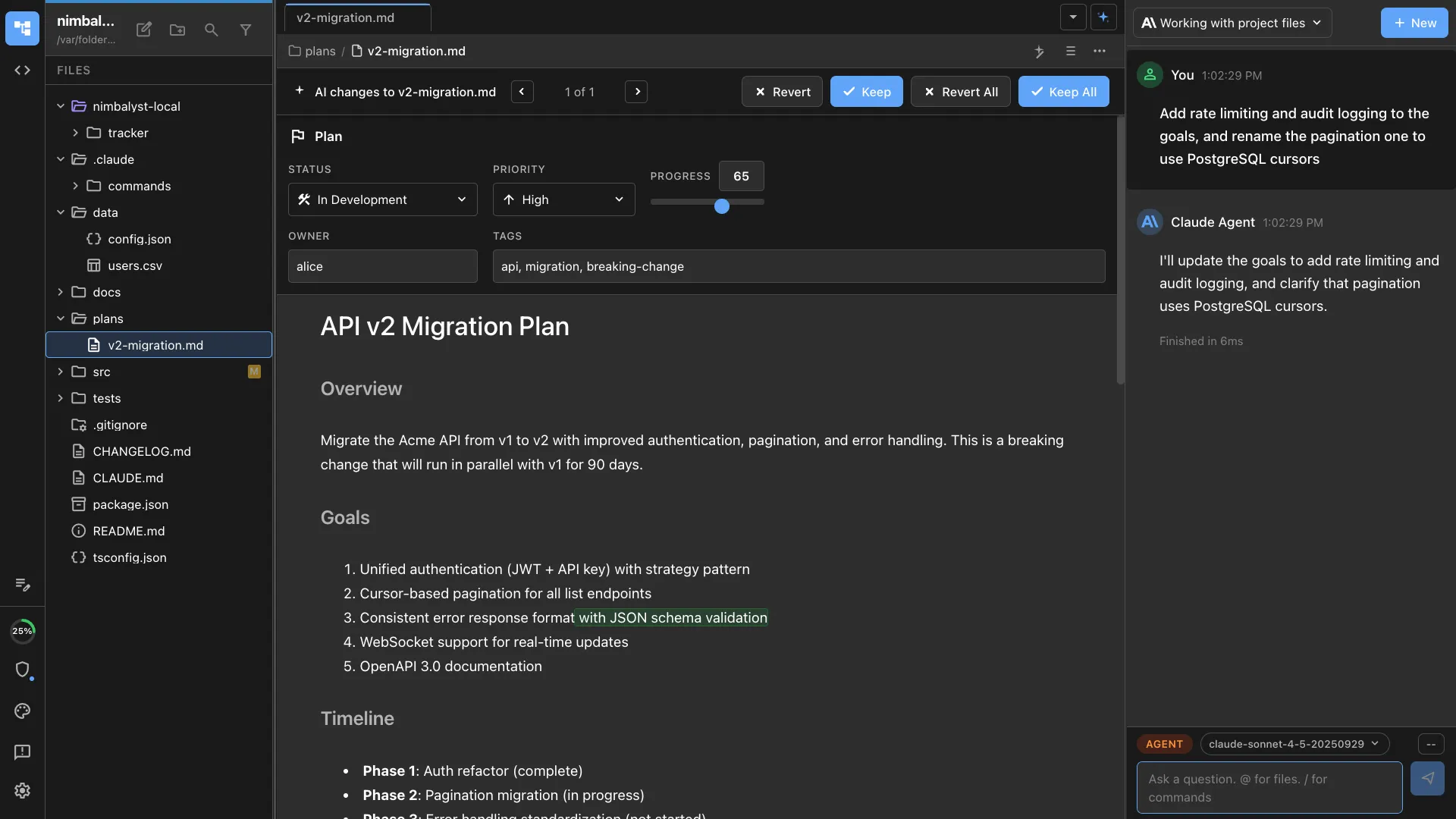
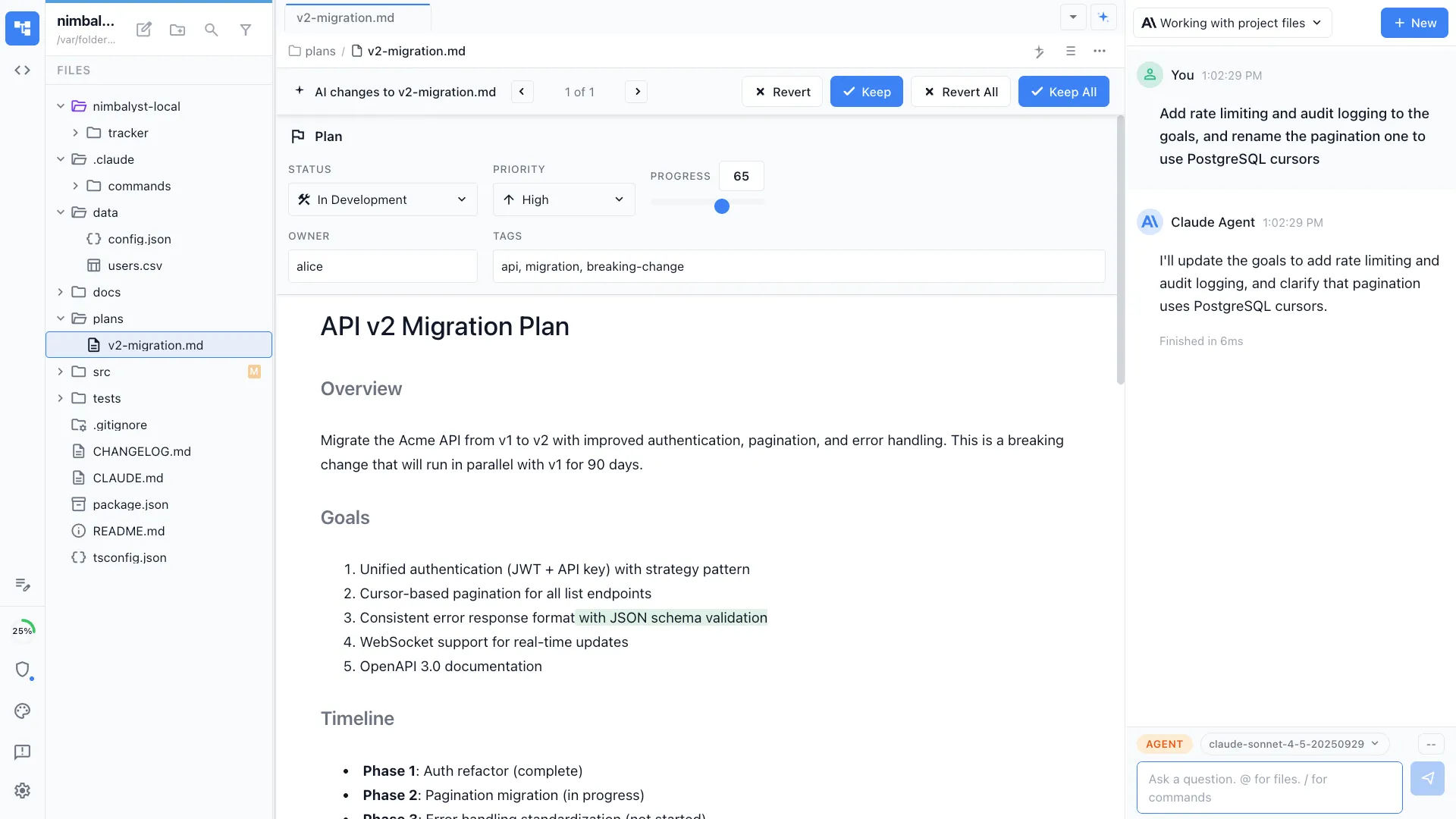
Feature matrix
Side-by-side feature comparison table showing where you lead, where you're behind, and where the market is heading.
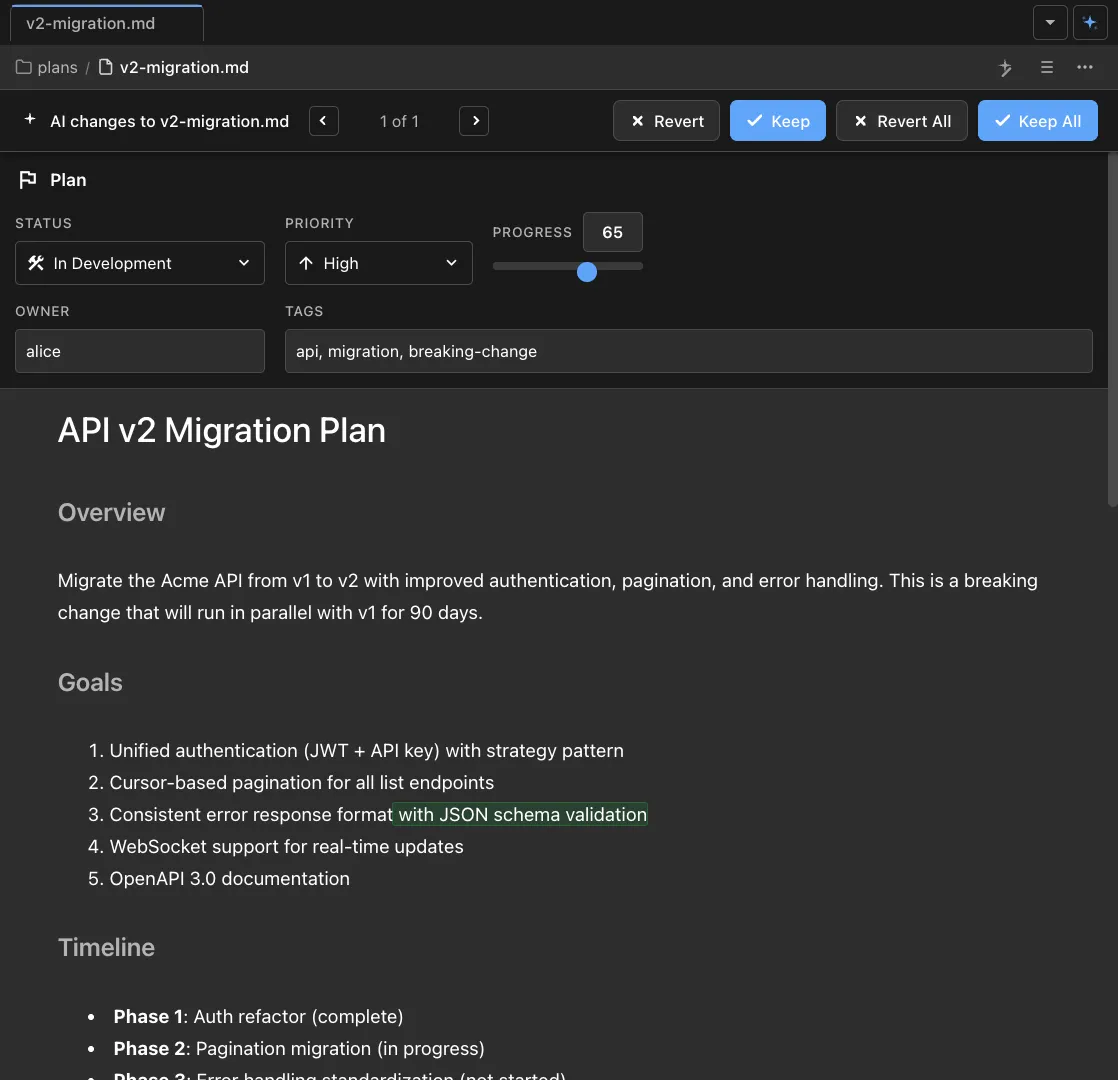
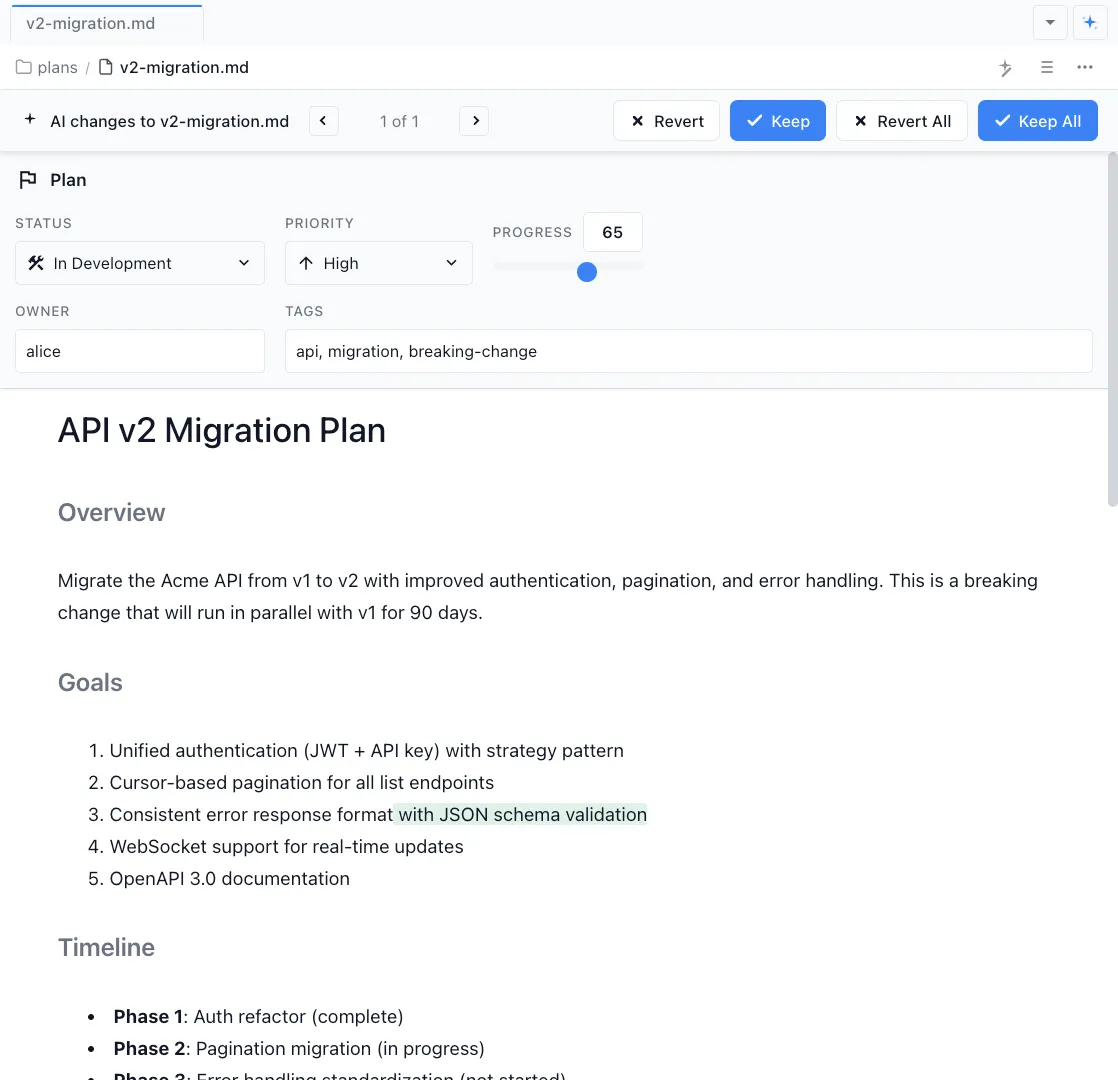
Strategic recommendations
Actionable positioning advice based on competitive gaps. Focus on the differentiators that matter most in your market.
How It Works
How /competitive works
Type /competitive
Run the command and name the competitors you want to analyze. Optionally specify the product area or market segment.
Agent researches
Your AI agent gathers information from the web, product pages, and available data to build a comprehensive competitive picture.
Get the analysis
Receive a structured report with SWOT, feature comparison, positioning recommendations, and suggested talking points.
Try It
Example prompts
/competitive analyze Cursor, Windsurf, and Opcode /competitive how does our diagramming feature compare to Lucidchart and Miro? /competitive market landscape for AI coding tools in 2026 Full Skill Source
Use this skill in your project
Copy the full text below or download it as a markdown file. Place it in your project's .claude/commands/ directory to use it as a slash command.
---
name: competitive-analyst
description: Competitive analysis with SWOT and feature comparisons. Use when analyzing competitors, comparing products, or evaluating market positioning.
---

# competitive

You helping a Product Manager with competitive analysis

## Background
For the best competitive analysis:
- Who are your key competitors? (3-5 recommended)
- What specific aspects do you want to research?
- What's your product? (for context on comparison)
- What questions are you trying to answer?
- What decision is this research supporting?
- Any specific features or capabilities to focus on?
- What format do you want the output in?

Now let's research your competitive landscape!

## Sources to Use
- Competitor websites and documentation
- User reviews (G2, Capterra, Trustpilot, etc.)
- Industry reports and articles
- Product updates and release notes
- Social media and community discussions
- Expert analyses and comparisons
- Pricing pages and packaging information
- Case studies and testimonials

## File Location and Naming
Name and place the file in the following way:
**Location**: `nimbalyst-local/Product/Competitive/[analysis-name].md`

**Naming conventions**:
- Use kebab-case: `cursor-vs-nimbalyst.md`, `ai-editor-landscape-2025.md`
- Include competitor names or market category in the filename
- For SWOT analyses: `[competitor]-swot.md`
- For comparison matrices: `[category]-comparison.md`

## What You Can Research
- Feature comparisons
- Screenshots of features
- Pricing and packaging strategies
- Target markets and positioning
- Customer sentiment from reviews
- Product roadmap signals
- Strengths and weaknesses
- Competitive positioning maps
- SWOT analysis
- Win/loss patterns
- Differentiation opportunities
- Threat assessment
- Market entry strategies
- More

## Templates

### Comprehensive Competitor Analysis

```
Research and compare these competitors:
1. [Competitor 1]
2. [Competitor 2]
3. [Competitor 3]

Our product: [Your product description]

Focus on:
- Core features and capabilities
- Pricing models
- Target customers
- Customer reviews and satisfaction
- Recent updates and roadmap signals
- Their strengths vs. our product

Create a comparison matrix and SWOT analysis.
```

### Feature Comparison

```
Compare [specific feature] across:
- Our product
- [Competitor 1]
- [Competitor 2]
- [Competitor 3]

What do they offer that we don't?
What do we offer that they don't?
How do users rate this feature?

Present as a detailed comparison table.
```

### Market Landscape

```
Research the [market category] landscape:

Questions:
- Who are the key players?
- How is the market segmented?
- What are the major trends?
- Where are the gaps and opportunities?
- Who are the emerging competitors?
- What do customers want that they're not getting?

Summarize findings with a positioning map.
```

### SWOT Analysis

```
Create a SWOT analysis comparing our product to [competitor]:

Our product: [description]
Their product: [competitor name]

Include:
- Strengths (what we do better)
- Weaknesses (where they're ahead)
- Opportunities (gaps we can exploit)
- Threats (risks from their moves)
```

### Pricing Research

```
Research and compare pricing for [product category]:

Competitors:
- [List competitors]

Analyze:
- Pricing tiers and models
- What's included at each tier
- Free vs. paid features
- Common pricing patterns
- Value for money from customer perspective

Recommend a pricing strategy for our product.
```

## Output Formats

### Comparison Matrix
| Feature | Nimbalyst | Cursor | Obsidian |
| --- | --- | --- | --- |
| Visual AI diffs | Yes | No | No |
| Local files | Yes | Yes | Yes |

### SWOT Analysis
**Strengths**: What **we do** better
**Weaknesses**: Where competitors lead
**Opportunities**: Market gaps **we can** exploit
**Threats**: Competitive risks

### Positioning Map
Visual representation of competitive landscape on key dimensions


## Best Practices

1. **Be Objective**: Look at evidence, not assumptions
2. **Multiple Sources: Don't rely on one review site or article**
3. **Customer Voice**: What do actual users say?

## Common Research Questions

- "What features do competitors offer that we don't?"
- "How do customers rate competitor X vs. our product?"
- "What are the pricing models in our category?"
- "Who are the emerging players we should watch?"
- "What gaps exist in the current market?"
- "How do competitors position themselves?"
- "What do customer reviews reveal about pain points?"
- "What roadmap signals can we detect from competitors?"

##

##
Related Skills
Skills that work well together
Explore More