Product Management
AI-drafted strategy memos
Run /strategy and describe the decision you need to make. The agent drafts a strategy memo with context, options, trade-offs, and a recommended approach.
Draft strategy memos with clear rationale, alternatives considered, and recommended approach. Structured for executive decision-making.
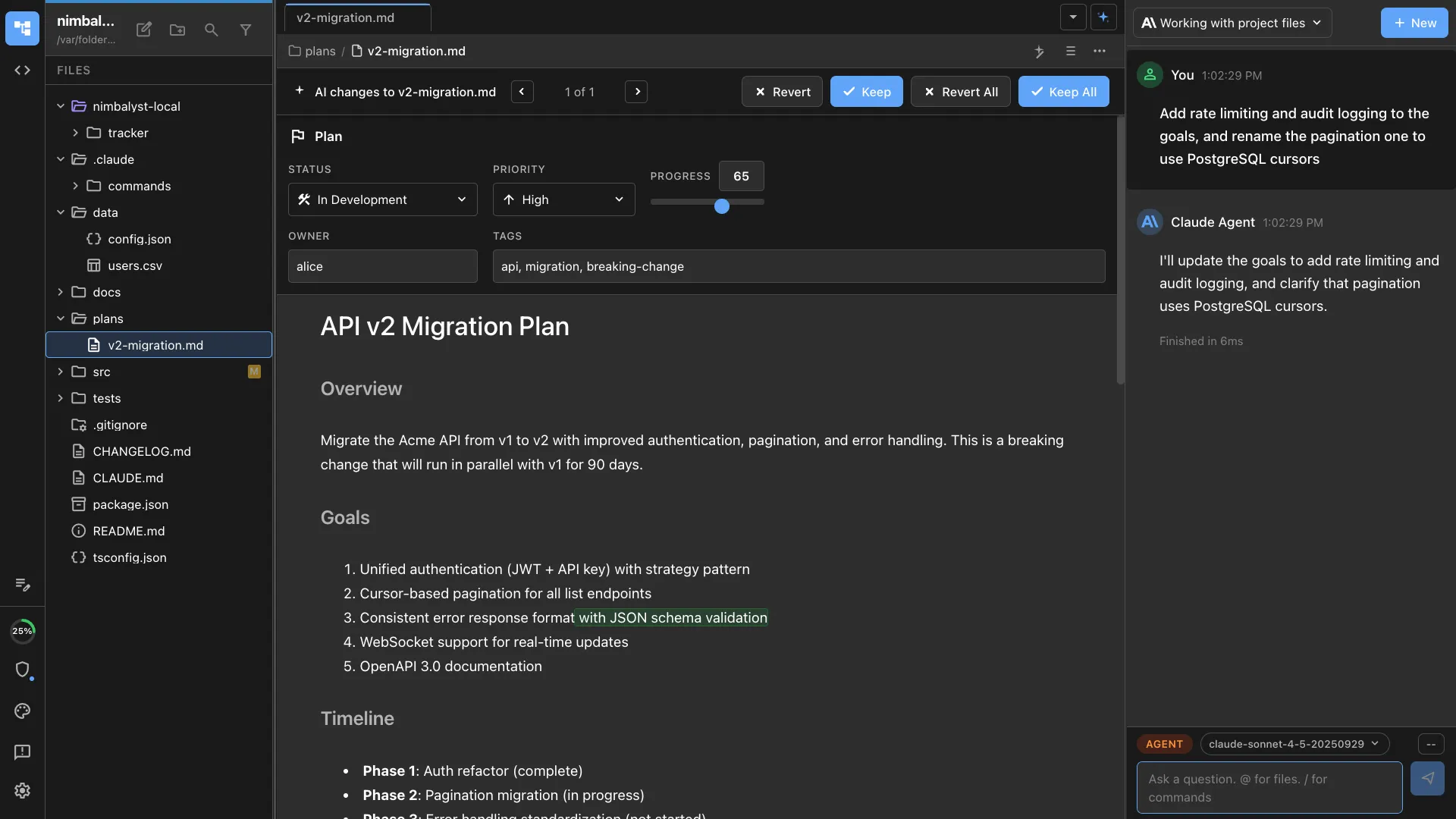
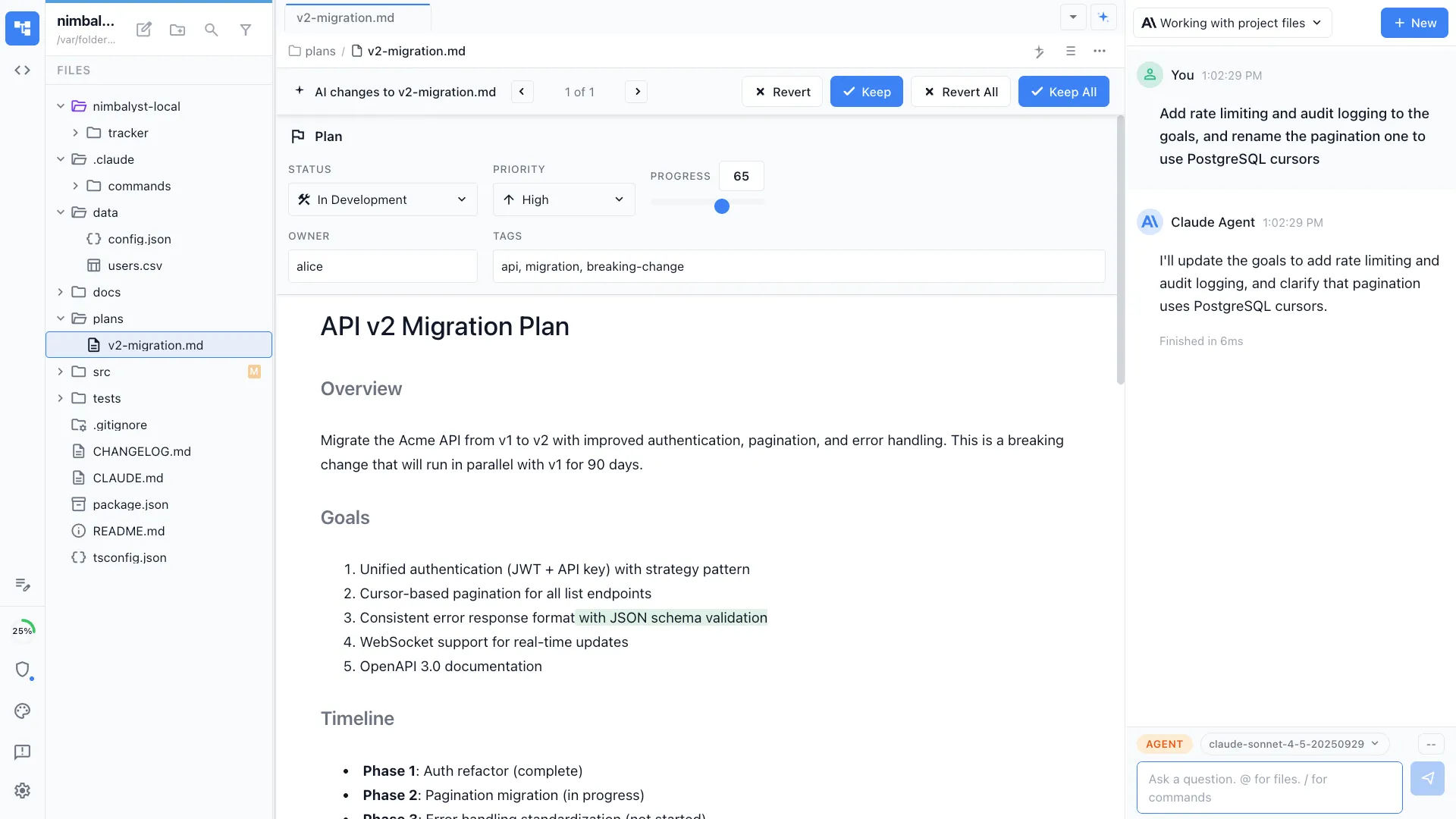
Capabilities
Think clearly, write clearly
Structured reasoning
Memos follow a proven format — context, problem, options, trade-offs, recommendation, and next steps. Clear thinking on the page.
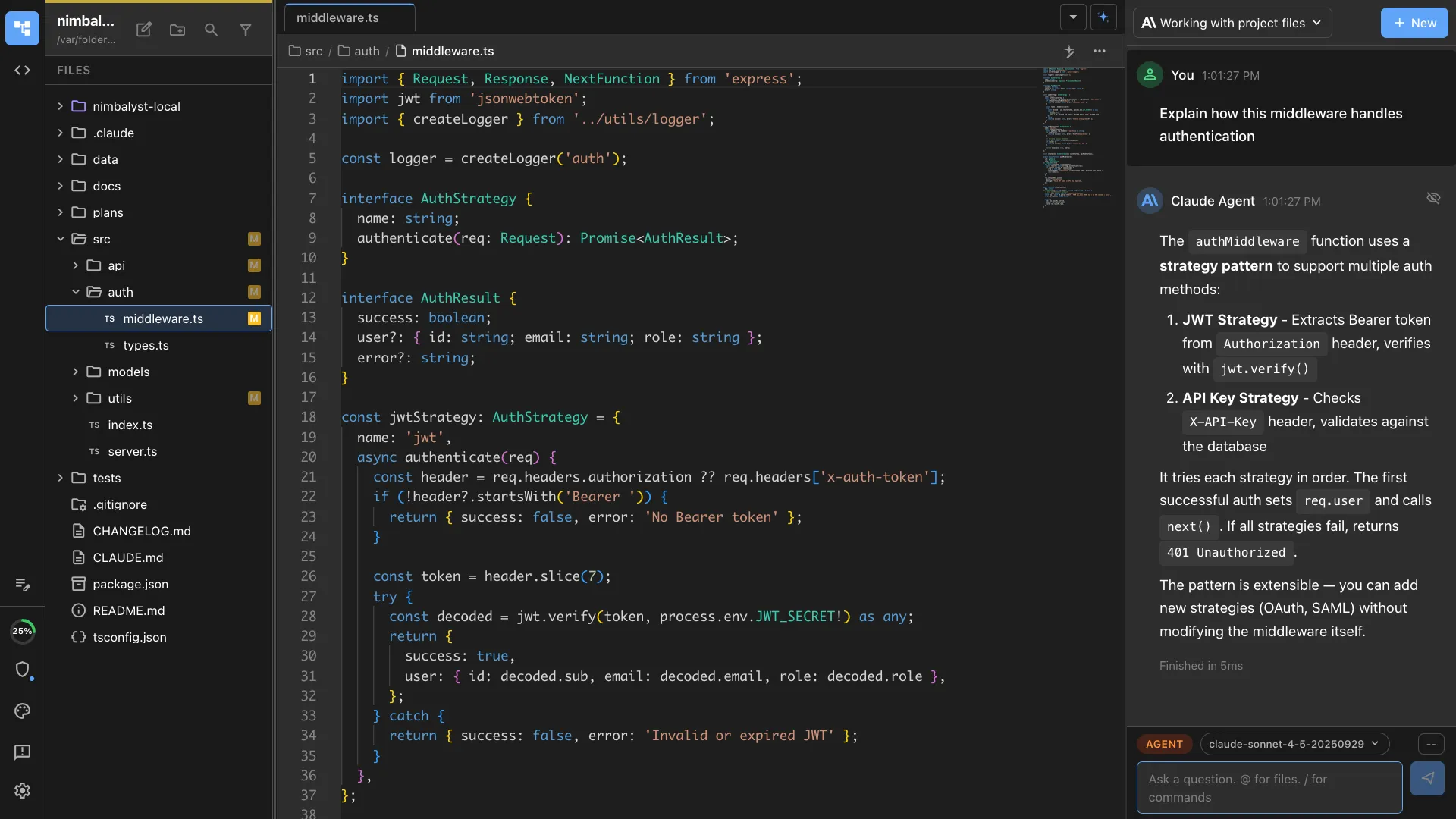
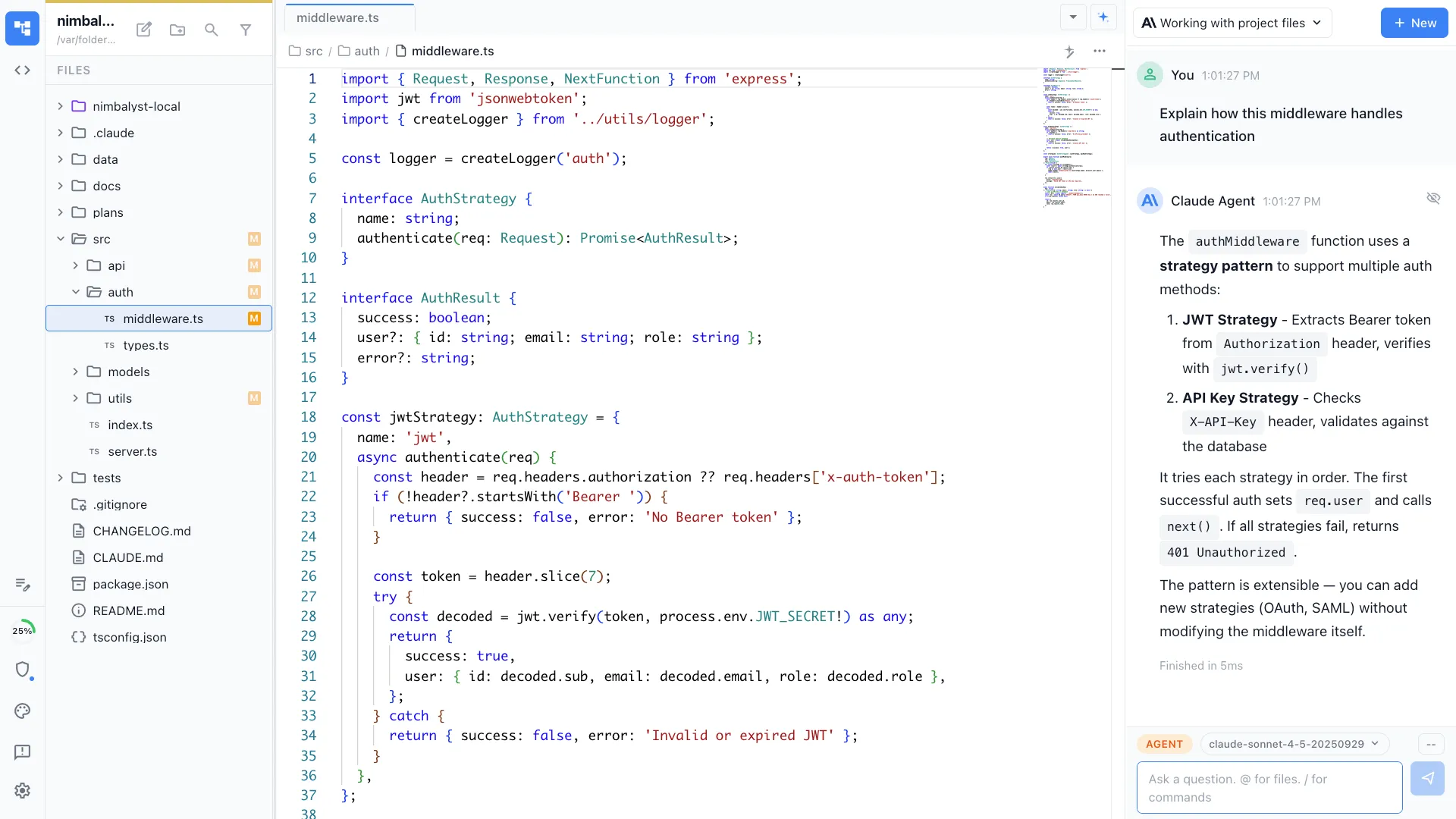
Research-informed
The agent can research competitors, market trends, and technical constraints to ground your strategy in evidence.
Stakeholder-ready
Output is formatted for executive review — concise, well-structured, and focused on the decision to be made.
How It Works
How /strategy works
Type /strategy
Run the command and describe the strategic question or decision. Include context, constraints, and who needs to decide.
Agent drafts the memo
A strategy memo is generated with problem framing, options analysis, trade-offs, and a recommended path forward.
Refine and share
Iterate on the memo through conversation. Sharpen the reasoning, add data, and prepare it for stakeholder review.
Try It
Example prompts
/strategy should we build or buy for the analytics dashboard? /strategy pricing strategy for the enterprise tier /strategy platform vs. product approach for our extension system Full Skill Source
Use this skill in your project
Copy the full text below or download it as a markdown file. Place it in your project's .claude/commands/ directory to use it as a slash command.
---
name: strategy-memo
description: Draft strategy memos with rationale and alternatives. Use when communicating strategic decisions or driving alignment on major product decisions.
---

# strategy

You are an expert helping a Product Manager create strategy memos. Help the user draft comprehensive strategy memos that communicate strategic decisions, rationale, and plans to drive alignment on major product decisions.

## Strategy Memo Structure

```markdown
# Strategy Memo: [Topic]

**Author**: [Name]
**Date**: [Date]
**Status**: [Draft / For Review / Final]

---

## TL;DR
[3-4 sentence executive summary of the recommendation]

---

## Context
[What's the situation? Why are we thinking about this now?]

### Current State
[Where we are today]

### Market Forces
[What's changing in the market/industry?]

### Opportunity or Problem
[What's the core issue or opportunity?]

---

## Recommendation
[Clear, specific recommendation in 1-2 paragraphs]

---

## Rationale
[Why this is the right path forward]

### Strategic Alignment
[How this aligns with company strategy and goals]

### User Value
[How this benefits users]

### Business Impact
[Revenue, retention, market position impact]

### Competitive Positioning
[How this affects competitive position]

### Risks & Mitigations
| Risk | Likelihood | Impact | Mitigation |
|------|-----------|--------|------------|
| [Risk 1] | [H/M/L] | [H/M/L] | [Plan] |

---

## Alternatives Considered

### Option 1: [Name]
**Pros**: [List]
**Cons**: [List]
**Decision**: [Why not this]

### Option 2: [Name]
**Pros**: [List]
**Cons**: [List]
**Decision**: [Why not this]

---

## Implementation Plan

### Phase 1: [Phase Name] (Timeline)
- [Milestone 1]
- [Milestone 2]

### Phase 2: [Phase Name] (Timeline)
- [Milestone 3]

### Resources Required
- [Team/people needs]
- [Budget needs]
- [Technology needs]

### Success Metrics
- [Metric 1]: [Target]
- [Metric 2]: [Target]

---

## Open Questions
- [ ] [Question 1]
- [ ] [Question 2]

---

## Appendix
[Supporting data, research, detailed analysis]
```

## Best Practices

1. **Start with TL;DR**: Put recommendation in first paragraph
2. **Show Your Work**: Explain how you arrived at the recommendation
3. **Address Alternatives**: Show you considered other options
4. **Be Specific**: Include timelines, metrics, resources needed
5. **Anticipate Objections**: Address concerns proactively
6. **Make It Scannable**: Use headers, bullets, tables
7. **Include Data**: Quantify impact wherever possible
8. **Be Honest About Risks**: No strategy is risk-free

## Memo Types

**Vision Memos**: Paint picture of future state (2-3 pages)
**Decision Memos**: Make choice between options (3-5 pages)
**Planning Memos**: Outline execution strategy (4-6 pages)
**Problem/Solution Memos**: Define problem and propose solution (2-4 pages)

## What to Ask

If the user needs more guidance:
- What strategic decision or topic is this memo about?
- What's the current situation or problem?
- What do you recommend?
- Why is this the right approach?
- What alternatives did you consider?
- What are the key risks?
- What resources are needed?
- How will you measure success?

## Review Checklist

Before sharing:
- [ ] TL;DR summarizes recommendation clearly
- [ ] Context explains why now
- [ ] Rationale connects to business goals
- [ ] Alternatives are evaluated fairly
- [ ] Implementation plan is specific
- [ ] Success metrics are defined
- [ ] Risks are identified with mitigations
- [ ] Document is scannable and well-formatted

Now help the user create their strategy memo.
Related Skills
Skills that work well together
Explore More