Product Management
AI product requirements
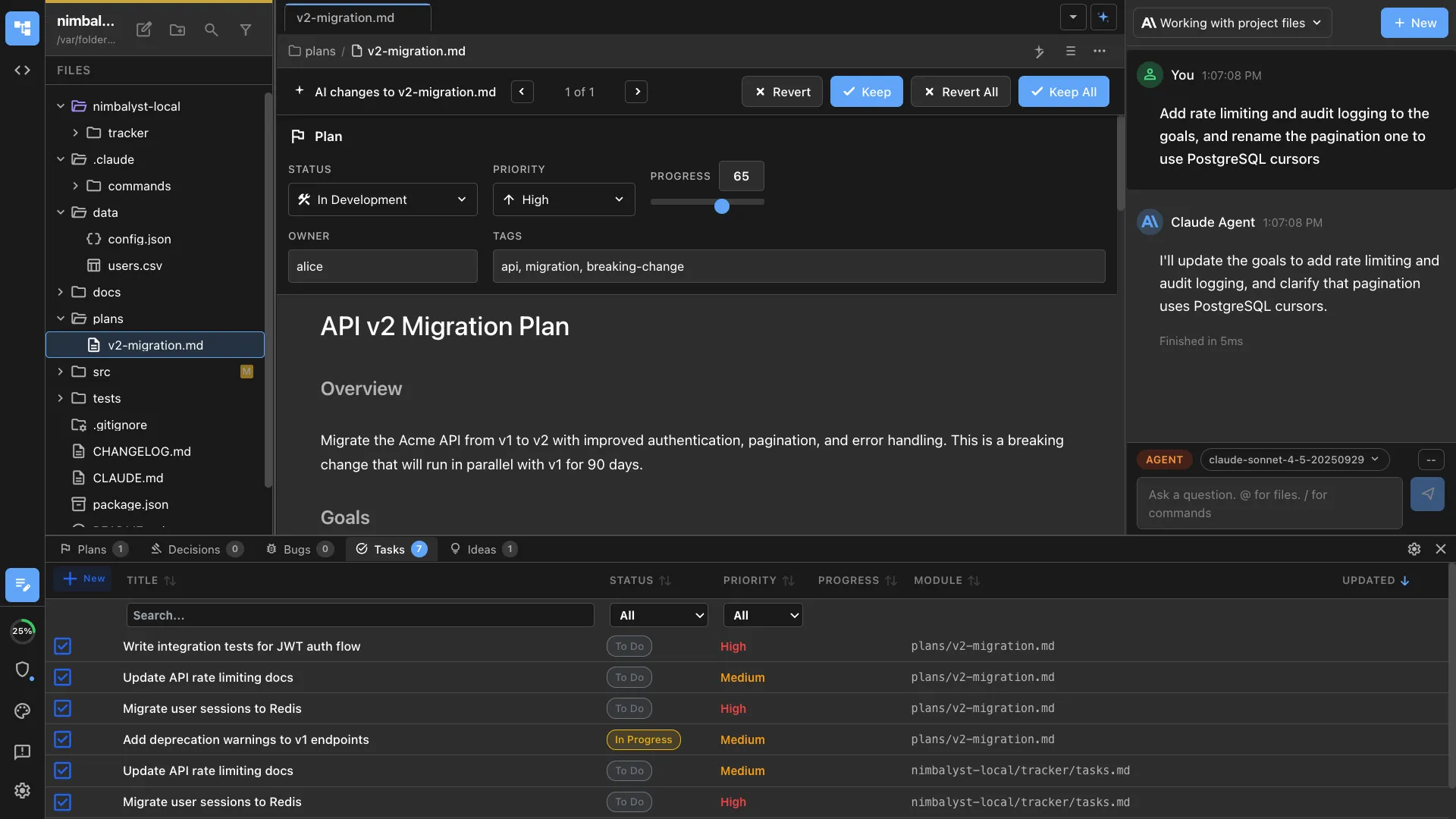
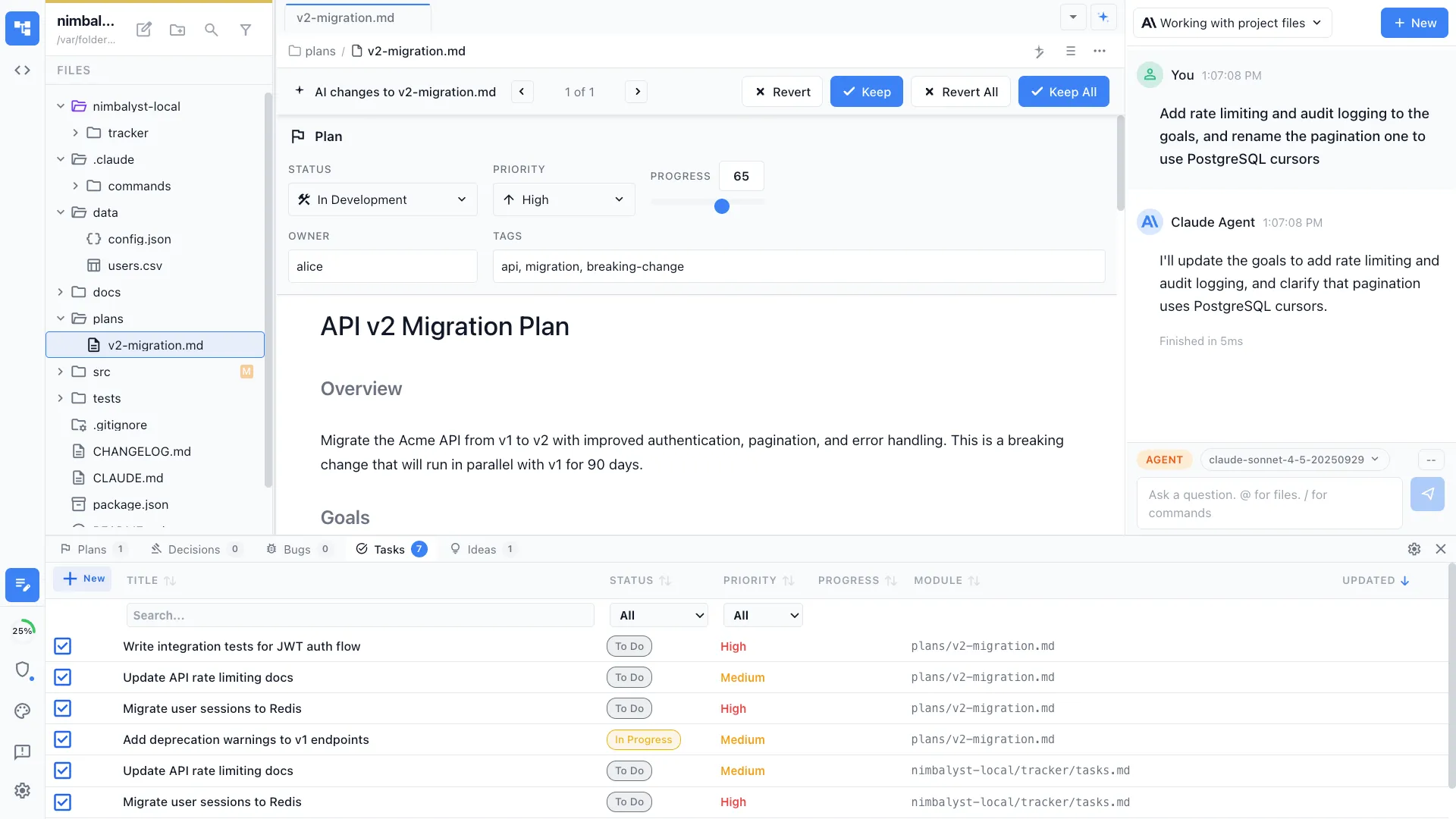
Describe a feature and /prd generates a complete PRD — goals, user stories, acceptance criteria, technical considerations, and success metrics. Ready for your team.
Create structured Product Requirements Documents from feature descriptions. Generates goals, user stories, acceptance criteria, and technical considerations.
Capabilities
From idea to spec
Complete PRD structure
Generates a full PRD with problem statement, goals, user stories, acceptance criteria, technical considerations, and success metrics.
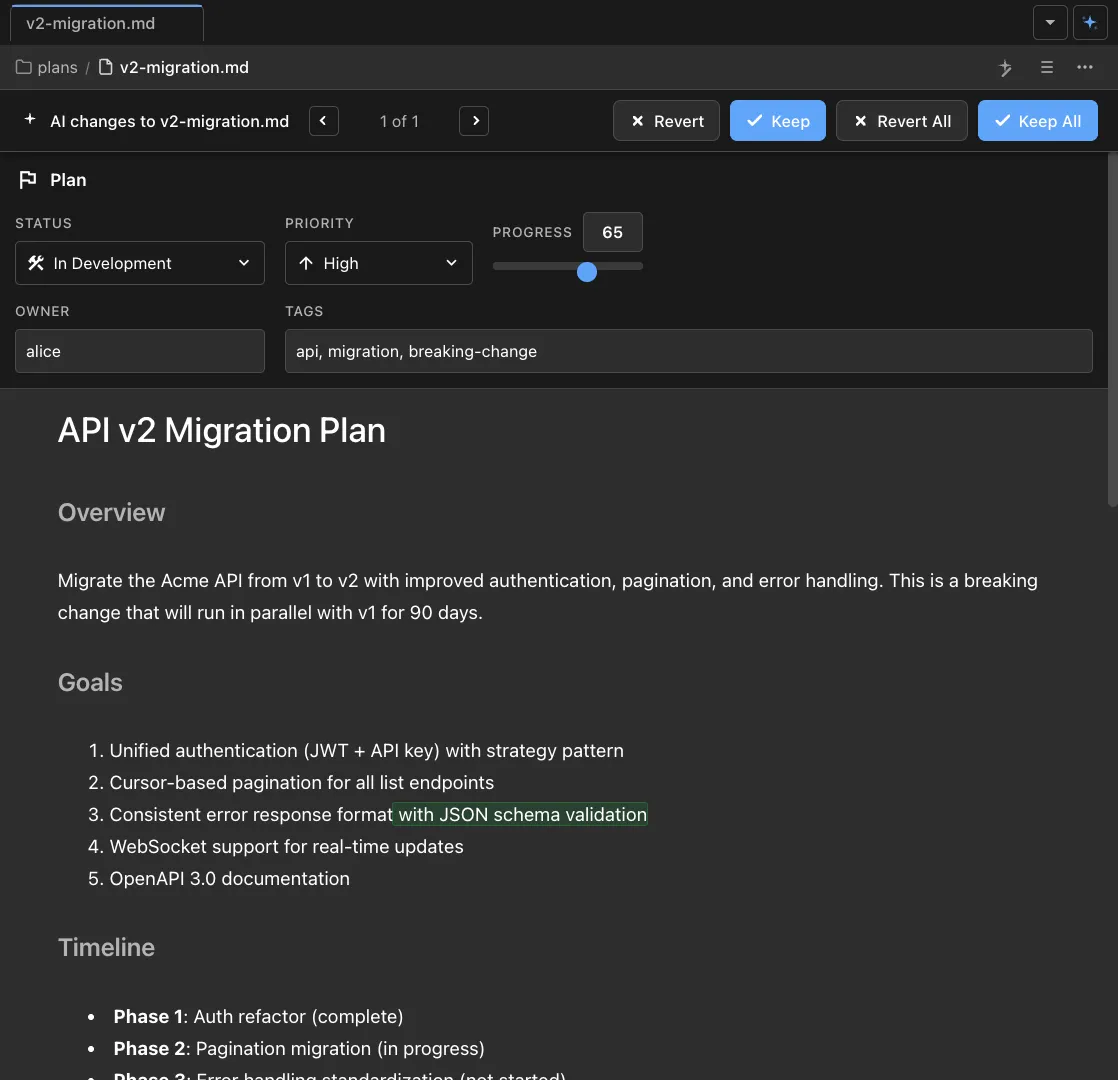
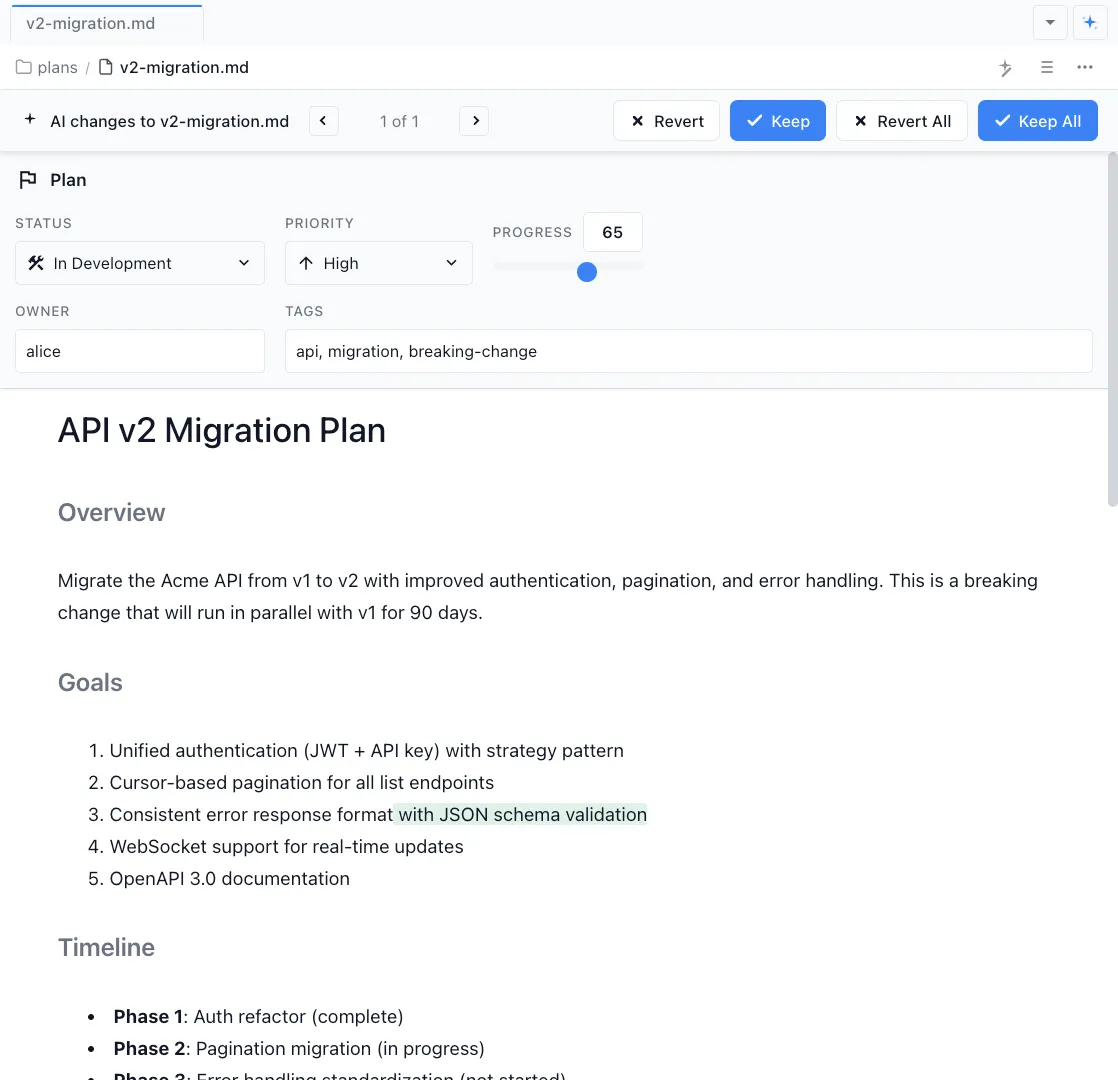
Codebase-aware
The agent reads your existing code to understand constraints, suggest realistic technical approaches, and identify affected systems.
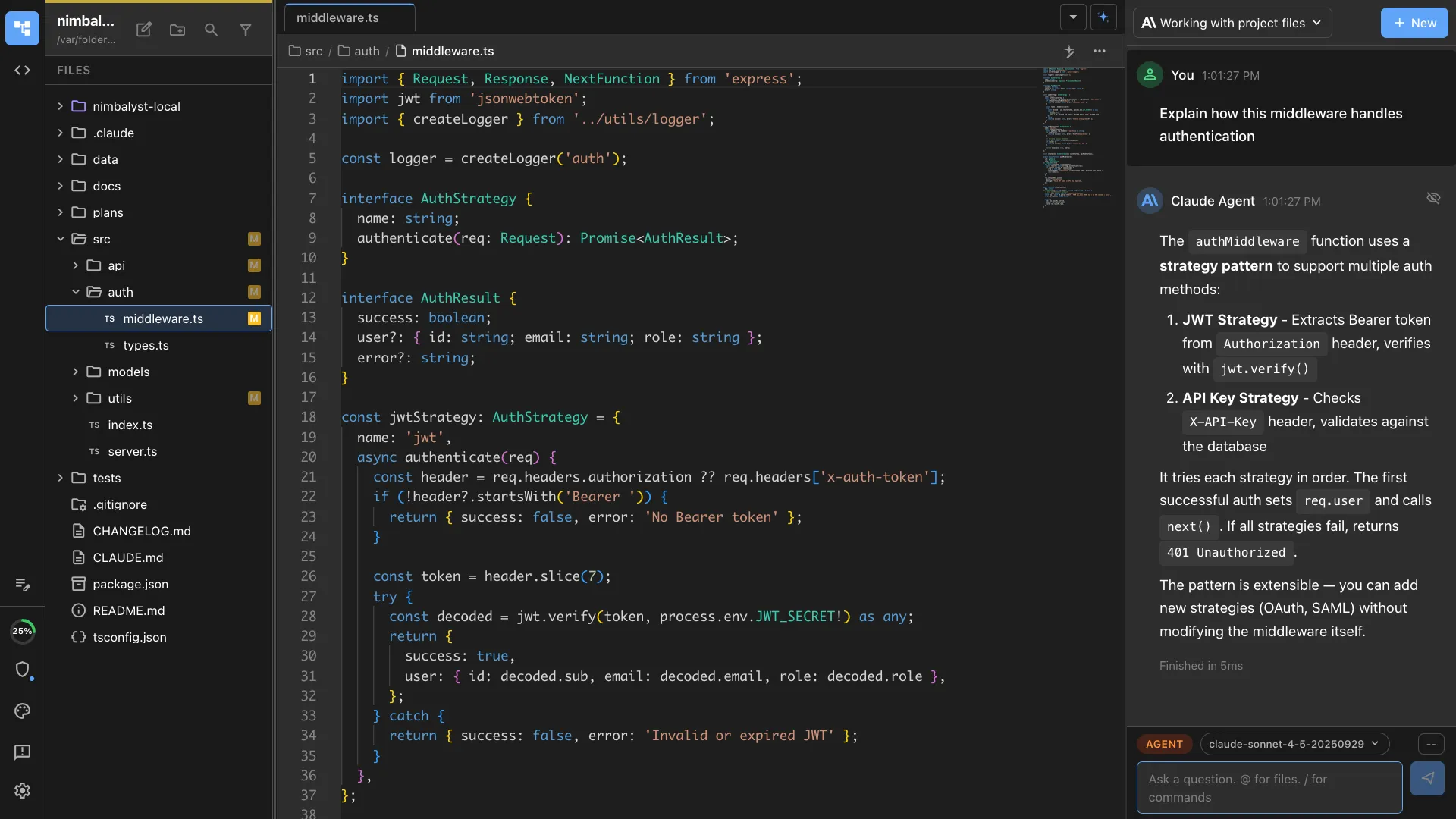
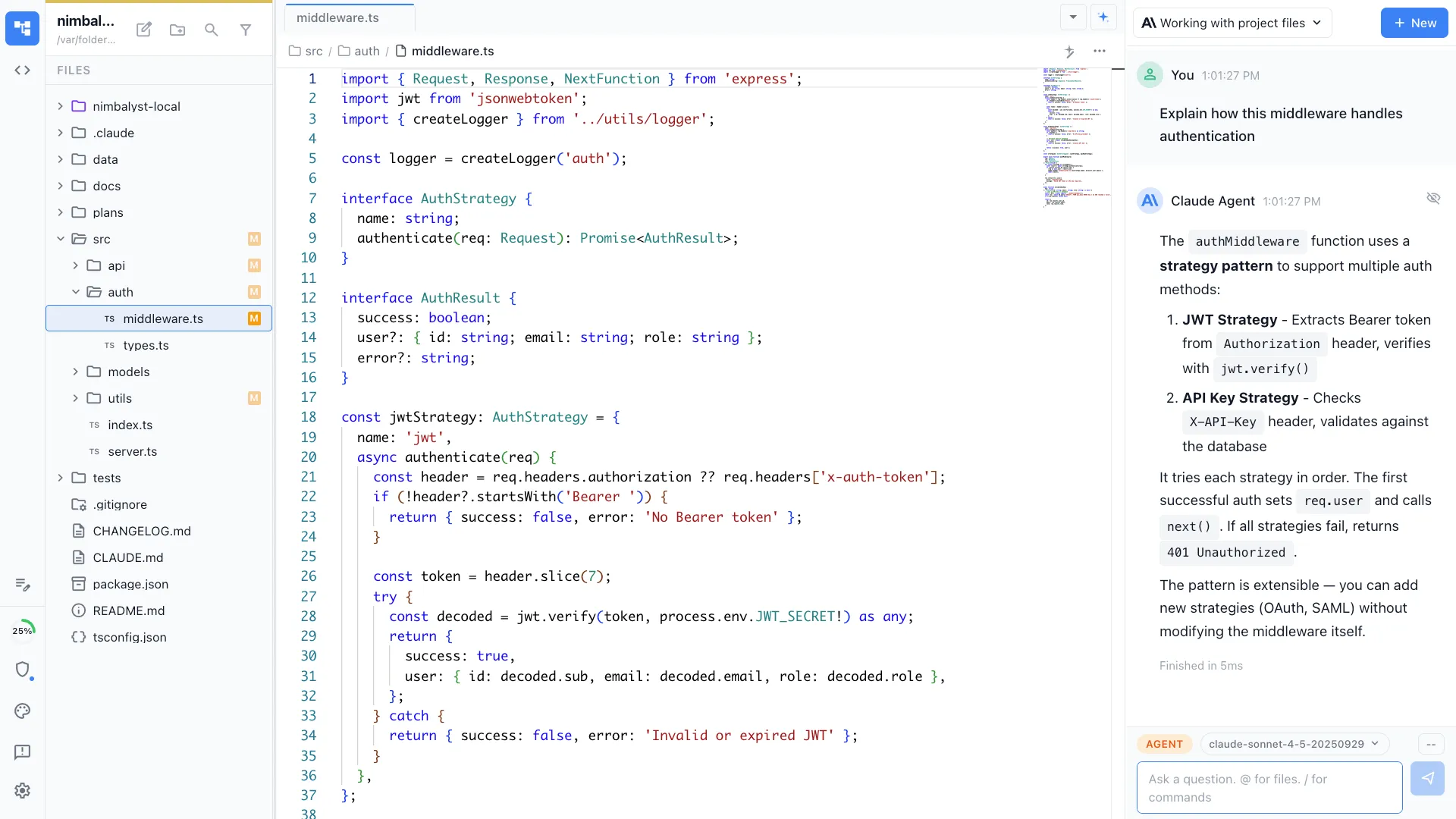
Iterative refinement
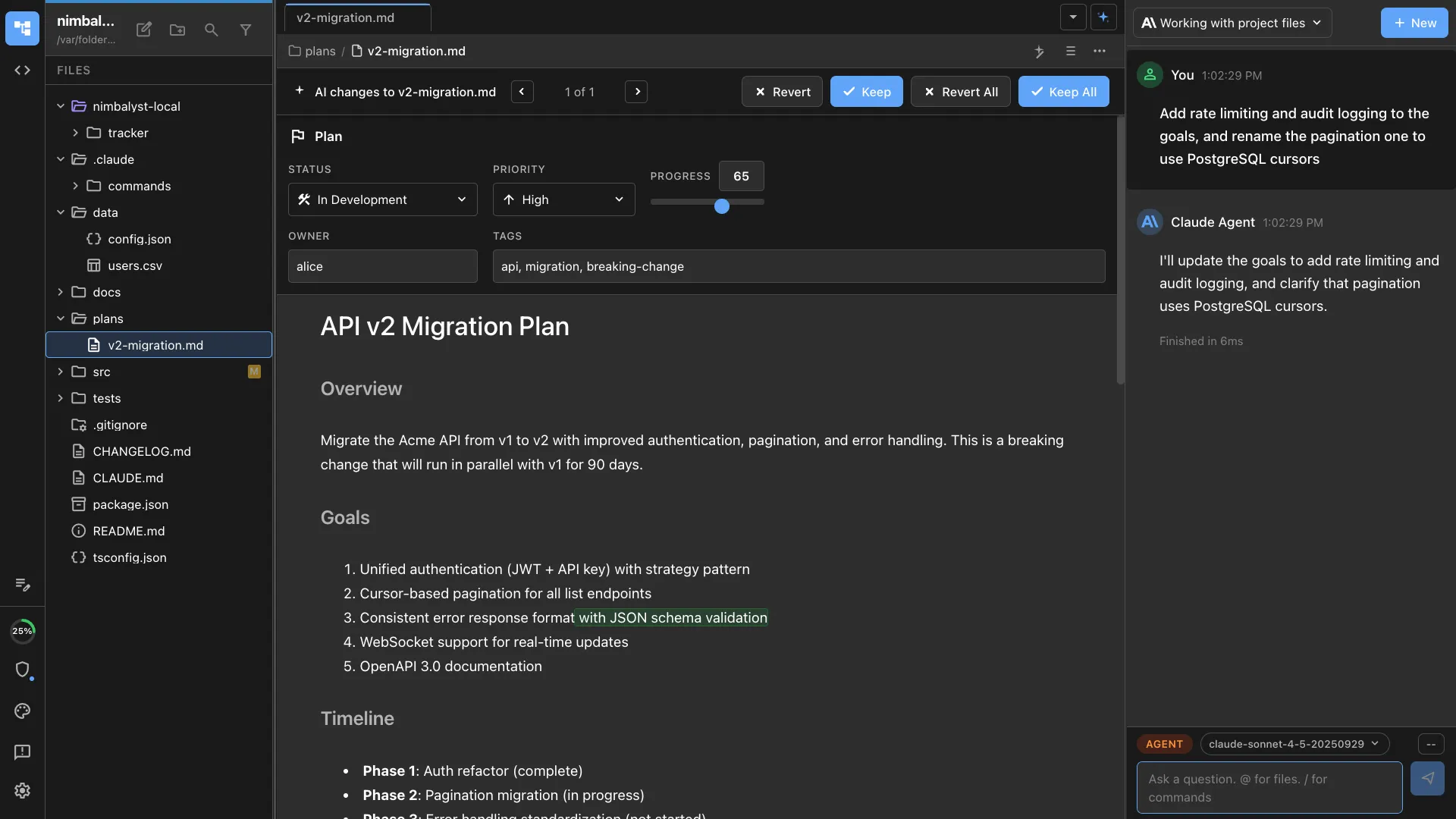
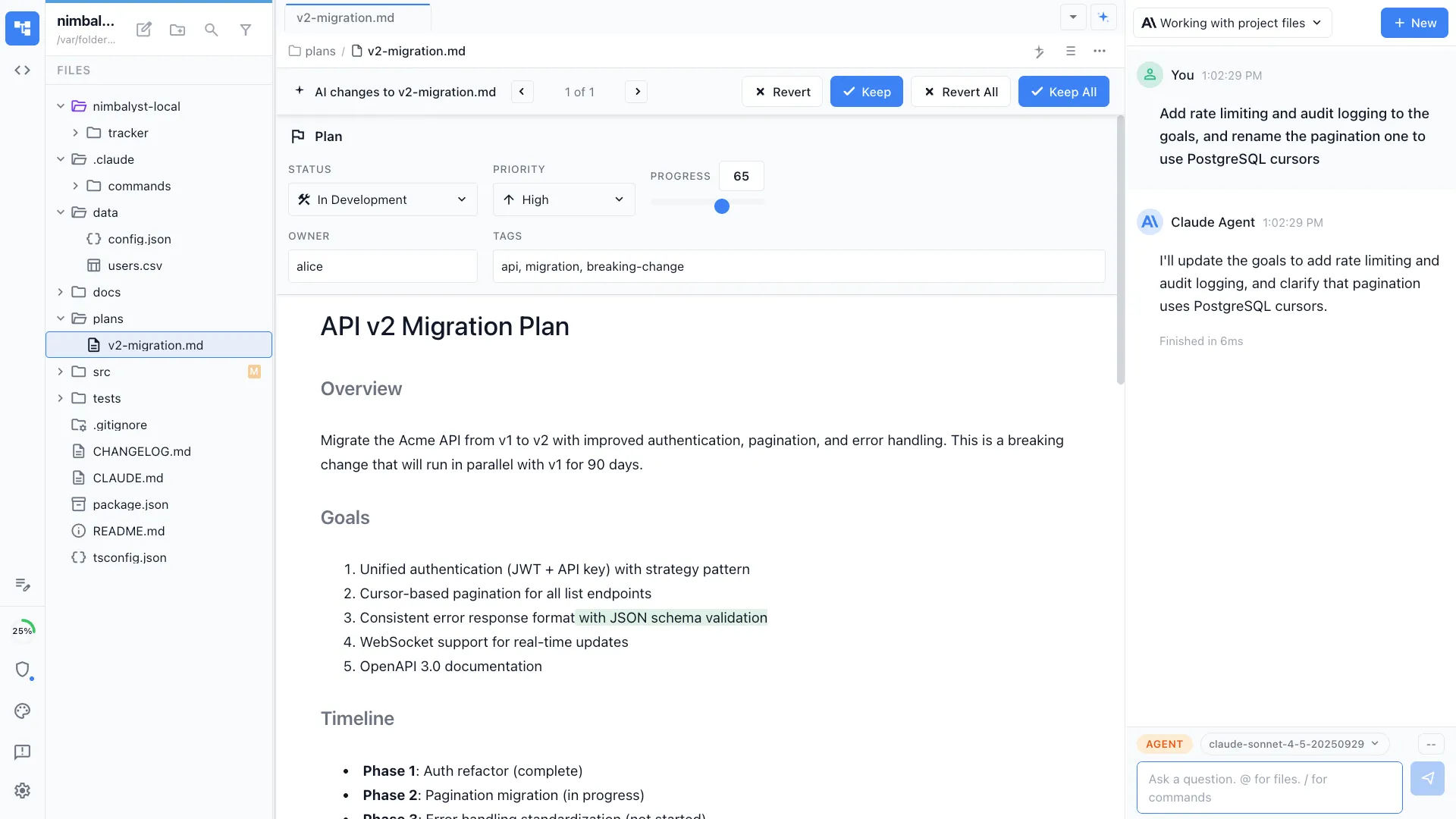
Refine the PRD through conversation. Add edge cases, adjust scope, and sharpen acceptance criteria before sharing with the team.
How It Works
How /prd works
Type /prd
Run /prd and describe the feature, the problem it solves, and who it's for. Include any constraints or requirements.
Agent generates the PRD
A structured markdown document is created with all standard PRD sections, tailored to your specific feature and codebase.
Refine and share
Iterate on sections through conversation. When ready, the PRD lives in your project as a file your implementation agent can reference.
Try It
Example prompts
/prd user notifications system — email, in-app, and push /prd SSO integration with SAML and OIDC support /prd refine the PRD to add more detail on the edge cases Full Skill Source
Use this skill in your project
Copy the full text below or download it as a markdown file. Place it in your project's .claude/commands/ directory to use it as a slash command.
---
name: prd-writer
description: Create structured Product Requirements Documents (PRDs) with prioritized requirements. Use when writing product specs, feature requirements, or project briefs.
---

# prd

You are an expert Product Manager helping to create or refine Product Requirements Documents (PRDs). Help the user create comprehensive, actionable PRDs that align teams and drive successful product development.

## File Location and Naming

**Location**: `nimbalyst-local/Product/PRDs/[feature-name]-prd.md`

**Naming conventions**:
- Use kebab-case: `user-authentication-prd.md`, `checkout-flow-prd.md`
- Include "-prd" suffix for clarity
- Be descriptive: The filename should clearly indicate the feature

## PRD Template

Create a PRD following this structure:

```markdown
# [Feature/Product Name]

**Owner**: [PM Name]
**Status**: [Draft/In Review/Approved]
**Last Updated**: [Date]

---

## Problem Statement

[Clear description of the user problem or opportunity]

**Who**: [Target users/personas]
**What**: [The problem they face]
**Why it matters**: [Impact/importance]

---

## Goals

**User Goals**:
- [Goal 1]
- [Goal 2]

**Business Goals**:
- [Goal 1]
- [Goal 2]

**Success Metrics**:
- [Metric 1]: [Target]
- [Metric 2]: [Target]

---

## Non-Goals

[What this project explicitly will NOT do]

---

## User Stories

**As a** [user type]
**I want to** [action]
**So that** [benefit]

---

## Requirements

### Must Have (P0)
- [ ] [Requirement 1]
- [ ] [Requirement 2]

### Should Have (P1)
- [ ] [Requirement 3]

### Nice to Have (P2)
- [ ] [Requirement 4]

---

## User Experience

[Describe key user flows and interactions]

**Flow 1**: [Description]
1. [Step 1]
2. [Step 2]

---

## Technical Considerations

- [Technical constraint or consideration 1]
- [Integration requirements]
- [Performance requirements]

---

## Dependencies

- [Dependency 1]
- [Dependency 2]

---

## Risks & Mitigations

| Risk | Impact | Mitigation |
|------|--------|------------|
| [Risk 1] | [H/M/L] | [Plan] |

---

## Open Questions

- [ ] [Question 1]
- [ ] [Question 2]

---

## Timeline

- [Milestone 1]: [Date]
- [Milestone 2]: [Date]
- [Launch]: [Date]

---

## Appendix

[Supporting research, mockups, data]
```

## Best Practices

1. **Start with Why**: Lead with problem statement and user impact
2. **Be Specific**: Vague requirements lead to rework
3. **Prioritize Ruthlessly**: Use P0/P1/P2 to focus team
4. **Include Success Metrics**: Define what "done" looks like
5. **Address Risks Early**: Surface concerns proactively
6. **Keep It Living**: Update PRD as decisions evolve

## Common Formats

**For new features**: Full PRD with all sections
**For improvements**: Can skip non-goals, focus on changes
**For bug fixes**: Lighter format, focus on problem and requirements
**For experiments**: Emphasize hypothesis and success metrics

## What to Ask

If the user hasn't provided enough information, ask about:
- Who are the target users?
- What problem does this solve?
- What does success look like?
- What are the must-have vs. nice-to-have requirements?
- What are the key risks or unknowns?
- What's the timeline or launch target?

Now help the user create or improve their PRD based on their input.
Related Skills
Skills that work well together
Explore More