Refactoring
AI-powered code refactoring
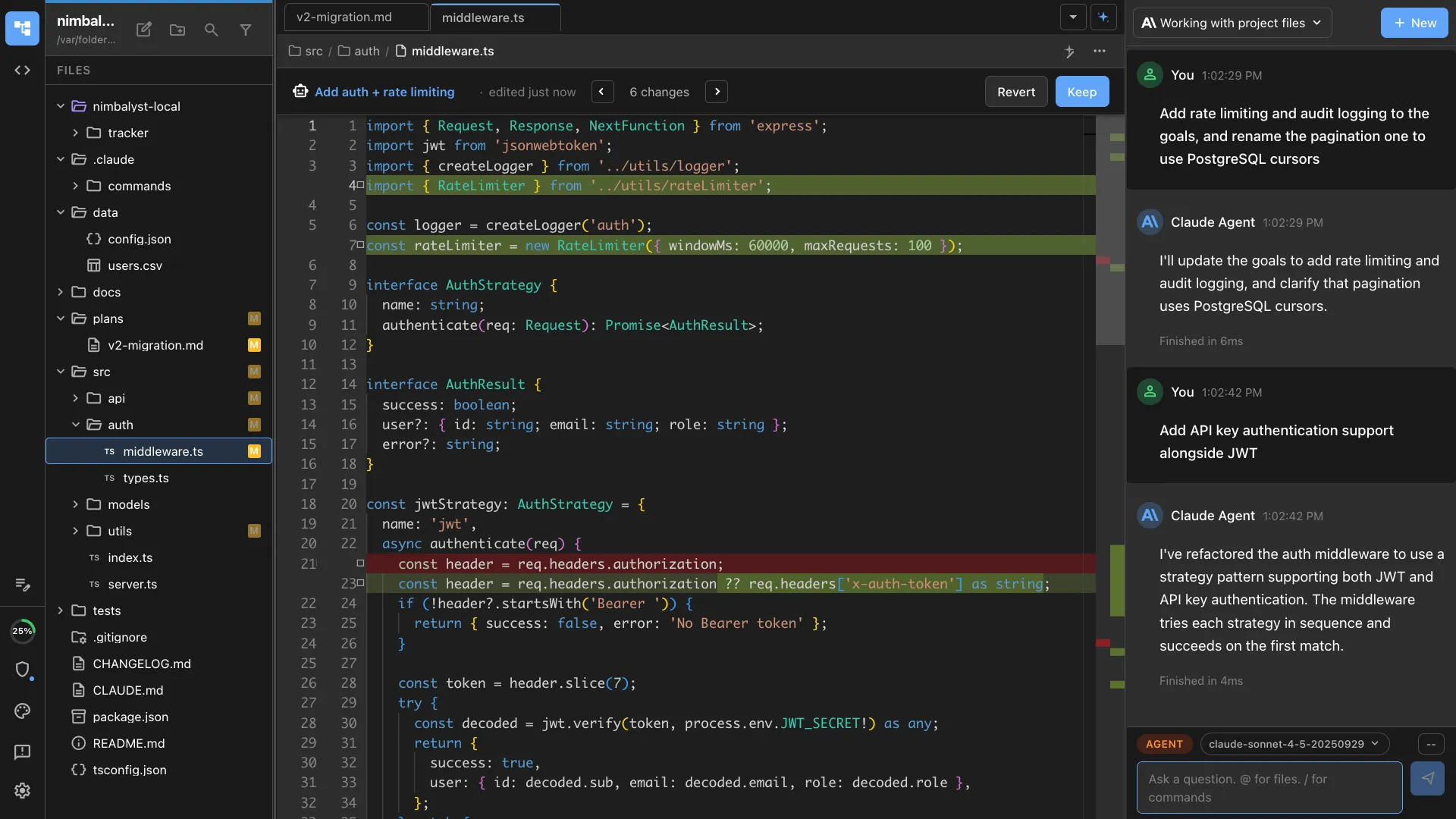
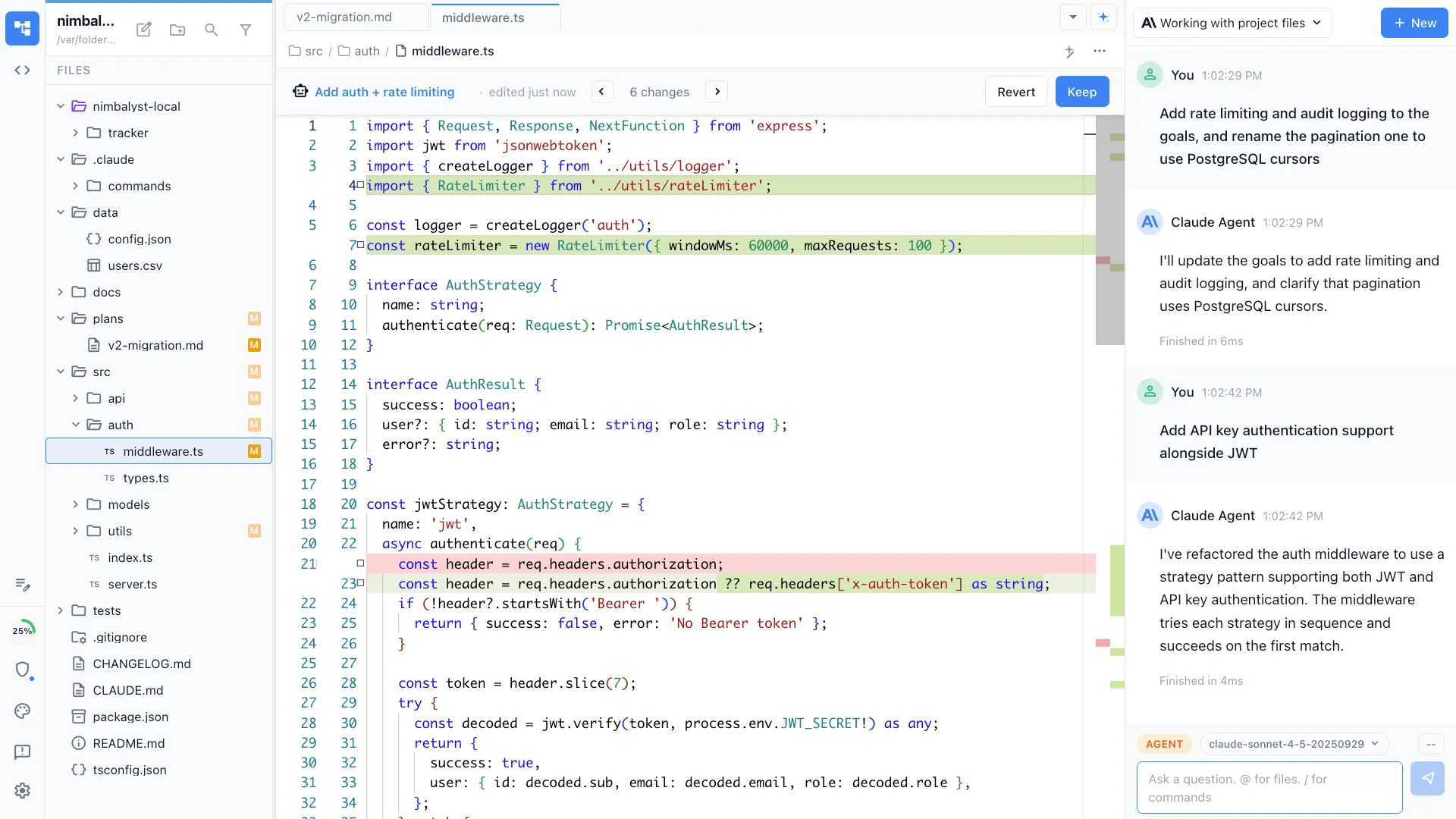
Describe the refactoring you want and your AI agent restructures the code across files, preserving behavior while improving quality. Review every change in visual diffs.
The Problem
Refactoring is risky and tedious
Refactoring improves code quality but is often postponed because it's time-consuming, risky, and hard to validate.
- Manual refactoring across many files is slow and error-prone
- IDE refactoring tools handle renames but not structural changes
- Hard to verify that behavior is preserved after large refactors
- Tech debt accumulates because refactoring is always deprioritized
How It Works
Refactor confidently with AI
Describe the change
Tell your agent what to refactor -- 'extract this module into a service class' or 'convert all callbacks to async/await.' It analyzes the codebase and plans the changes.
Review every change
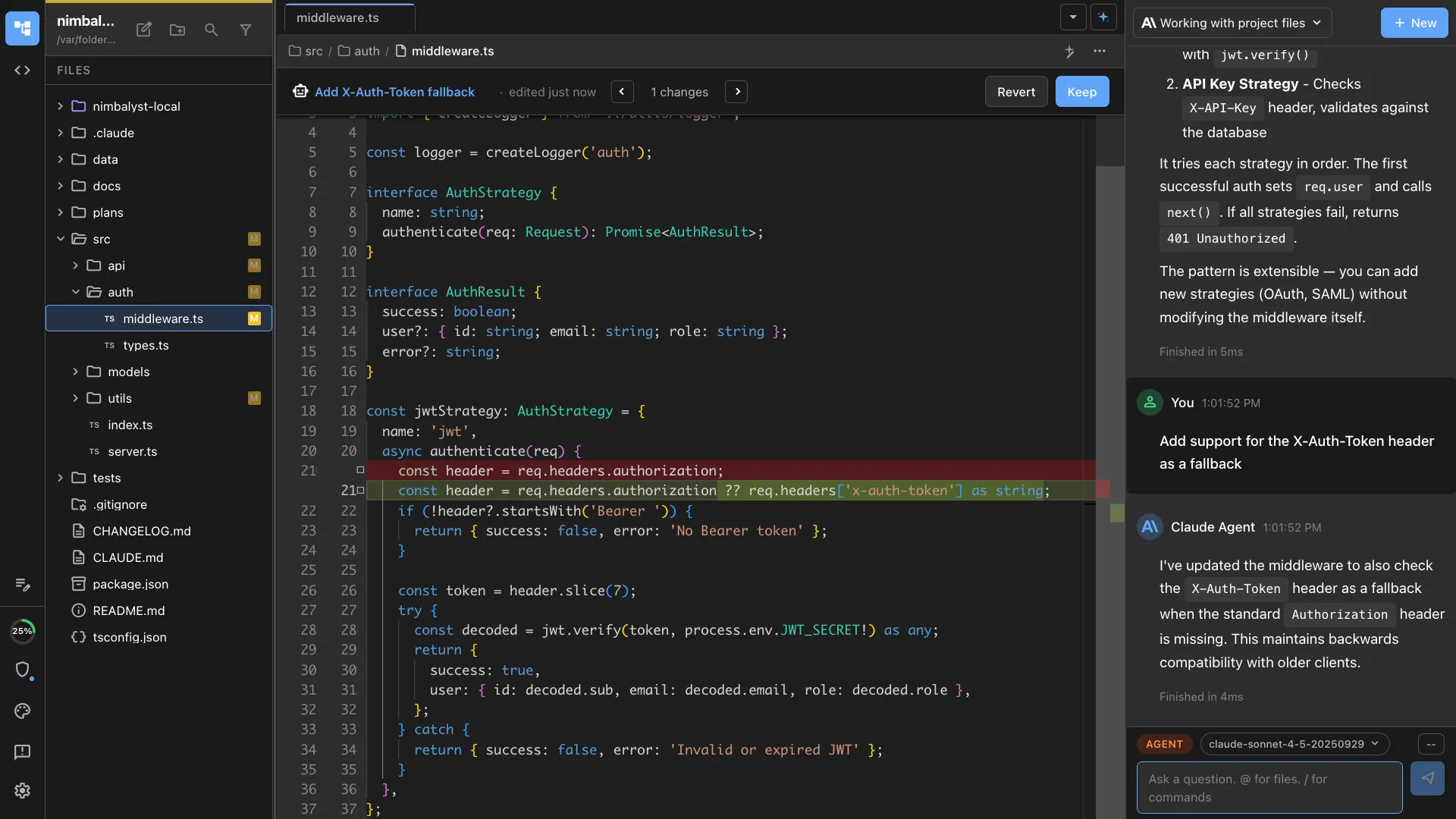
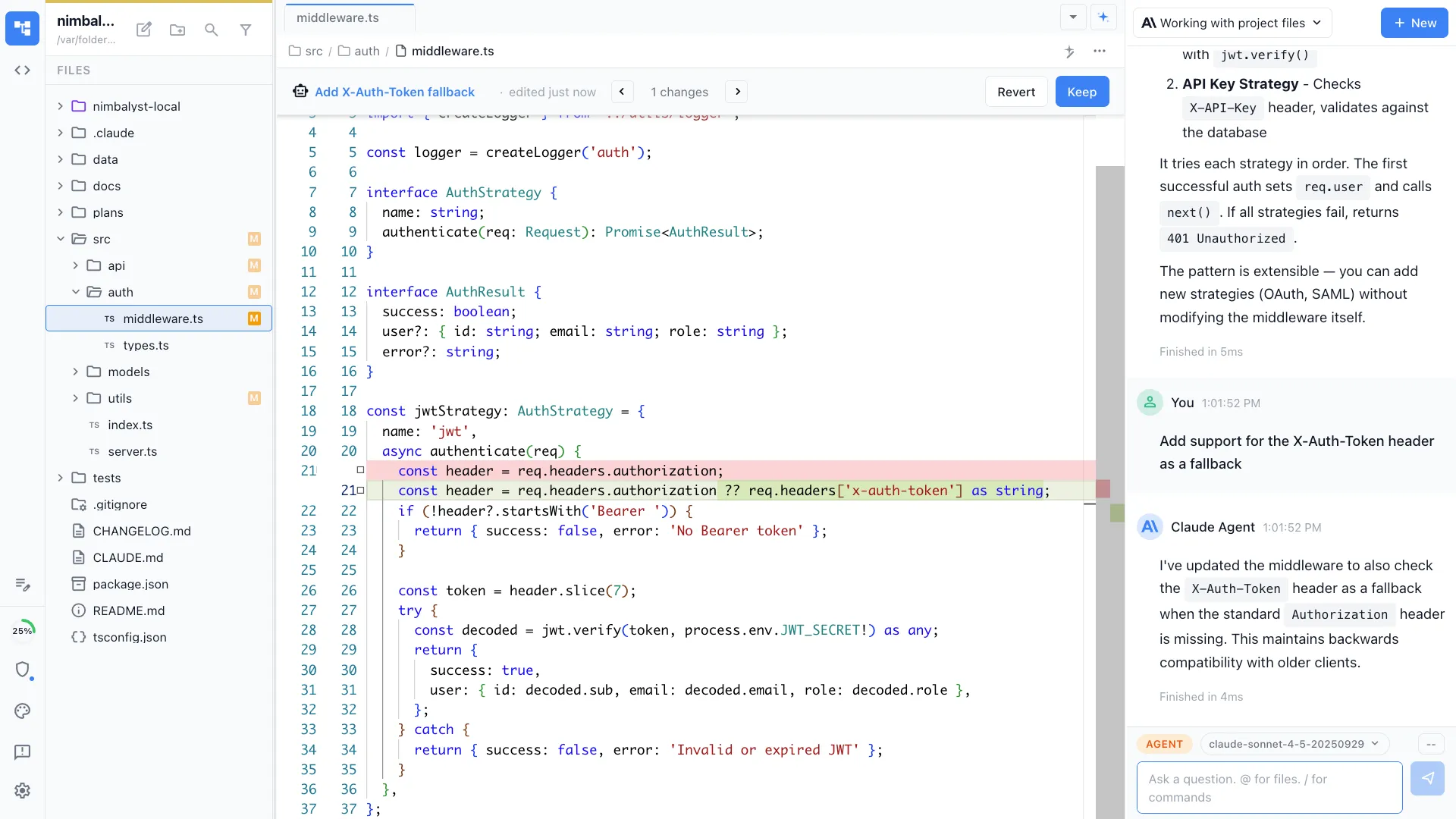
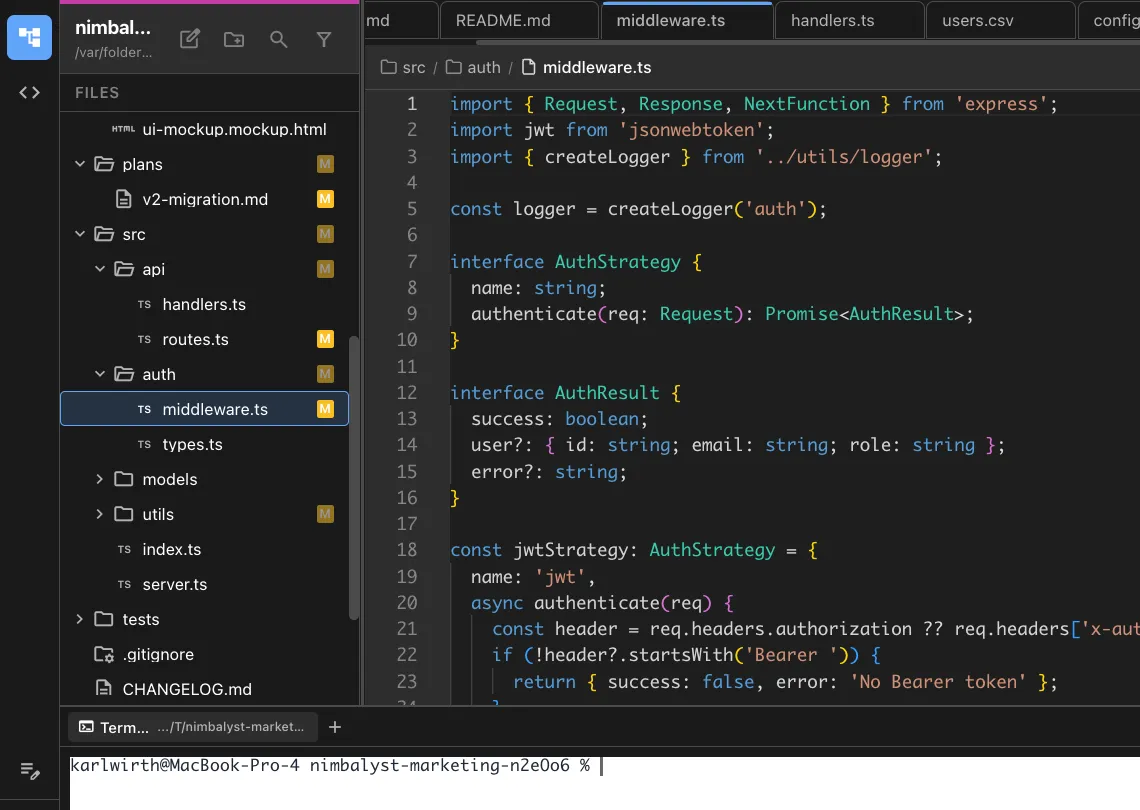
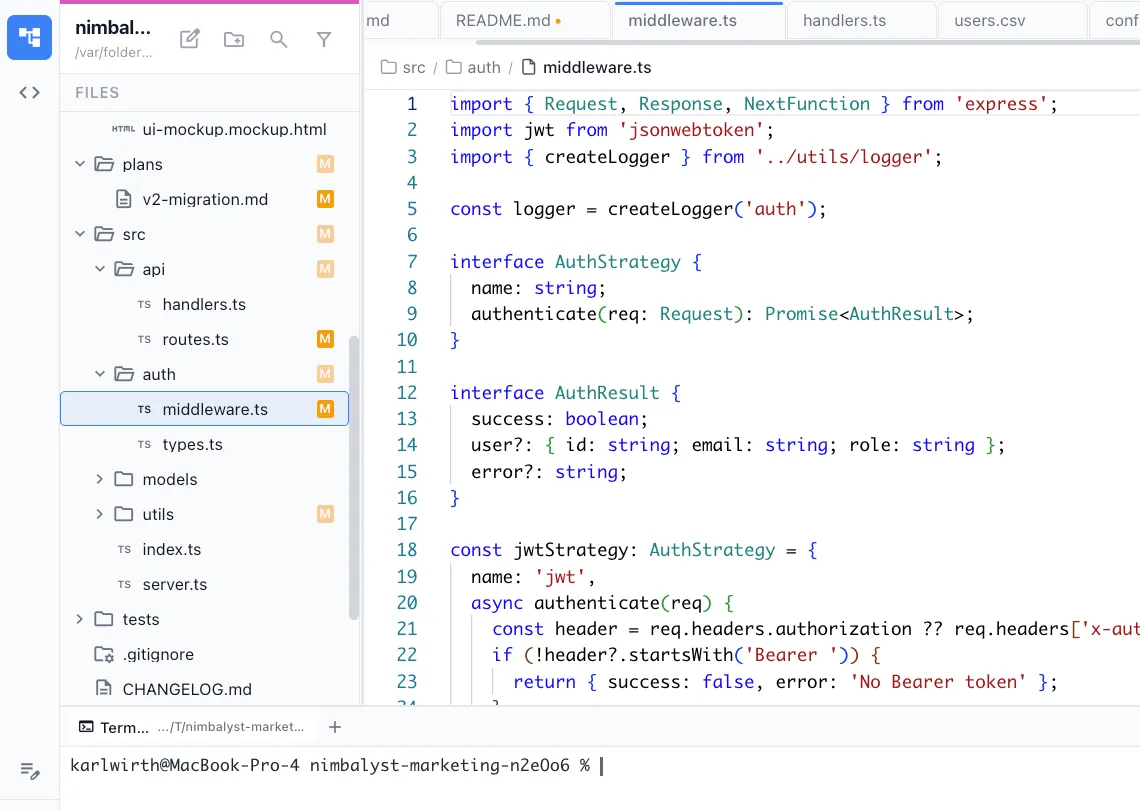
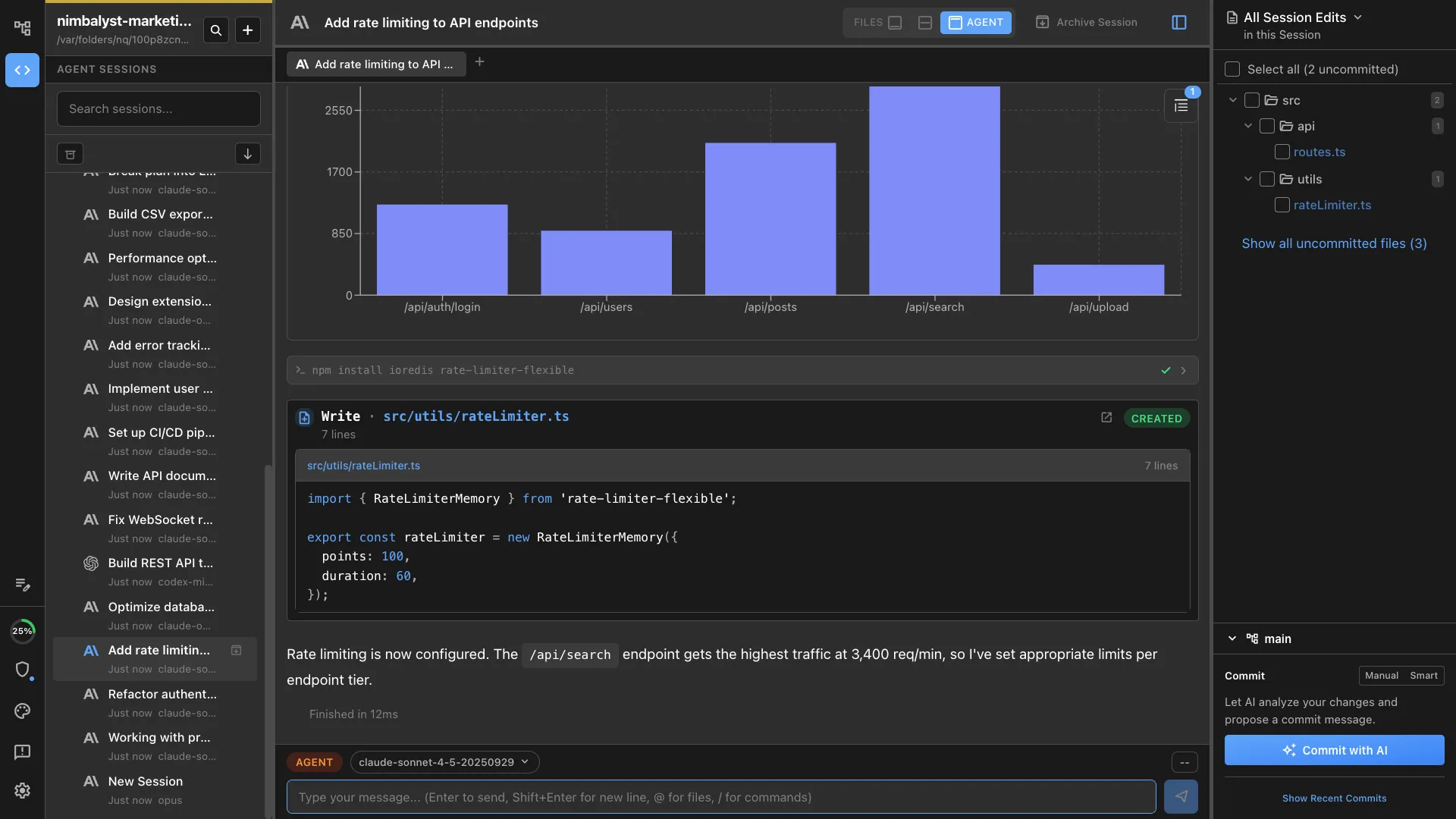
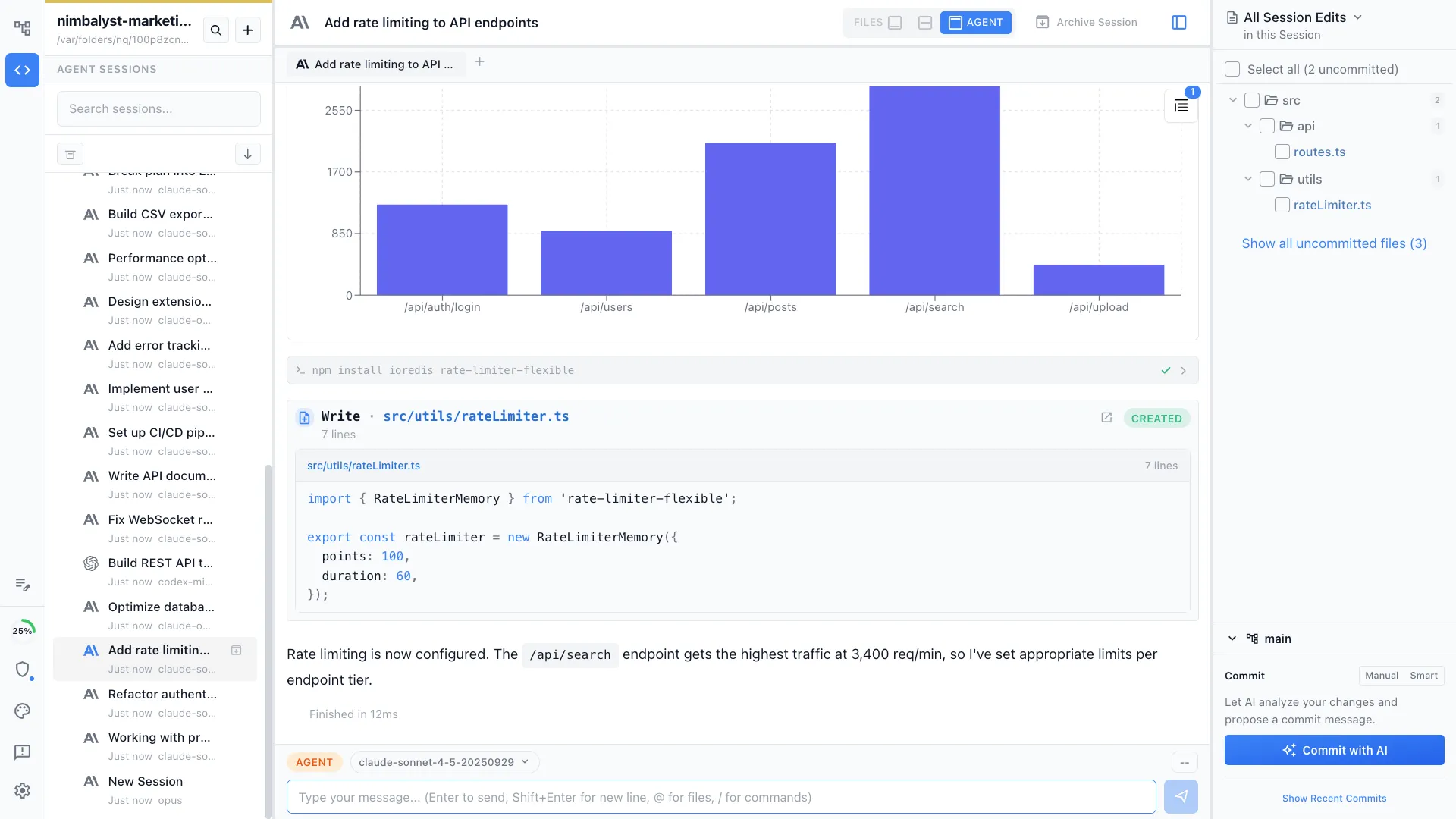
All changes appear as visual diffs in the files sidebar. Walk through each file, verify the refactoring preserves behavior, and approve or reject individual changes.
Validate with tests
Your agent runs the test suite after refactoring. If tests fail, it analyzes the failures and proposes fixes -- all in the same session.
The Difference
Ship refactors with confidence
Without Nimbalyst
- ✕ Spend days manually restructuring code across dozens of files
- ✕ IDE rename tools can't handle structural changes
- ✕ Run tests manually after each change to catch regressions
- ✕ Refactoring gets deprioritized because it's too risky and slow
With Nimbalyst
- ✓ Agent restructures code across files in minutes
- ✓ Handles structural changes -- extractions, pattern changes, architecture shifts
- ✓ Visual diffs and automated test runs validate every change
- ✓ Refactoring happens naturally alongside feature work
Powered By
Nimbalyst features behind this workflow
Developer Tools
Code editor and terminal for reviewing refactored code and running tests.
Git & Version Control
Review refactoring changes with visual diffs and isolated branches.
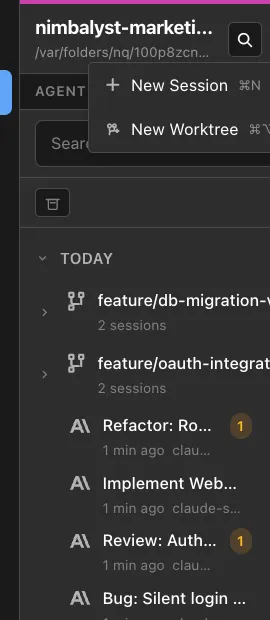
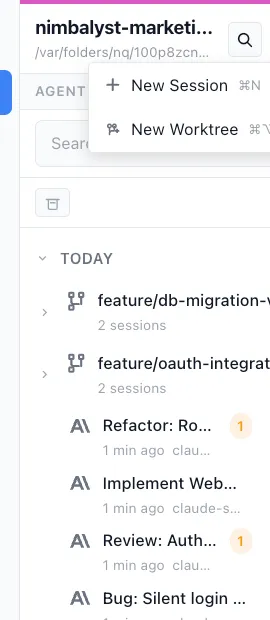
Session Management
Isolate refactoring work in dedicated sessions with git worktrees.
Agent Integration
Claude Code and Codex understand your architecture for safe restructuring.