For hedge funds
Coding agents for hedge funds
Your strategy code is the firm's core asset, so Nimbalyst runs Claude Code and Codex on each researcher's own machine, against your own checkout, with every agent change reviewed line by line before it lands.
Free for individuals. Agents run locally with your existing Claude Code or Codex subscription. Team collaboration is a paid plan.
What an investment firm needs before it lets agents near the codebase
Quant researchers, portfolio managers, and the small engineering teams behind them write enormous amounts of code that never goes through a normal software process. Signal research, backtests, data pipelines, risk overlays, and execution tooling all get built quickly by people whose primary job is not software engineering. Coding agents are an obvious accelerant for exactly that kind of work.
Adoption then stalls on two objections that have nothing to do with model quality. Security and compliance will not approve uploading proprietary strategy code into a vendor's cloud sandbox, and no risk-aware desk wants unreviewed agent output landing in production research. Both come down to where the code runs and whether a person saw the diff.
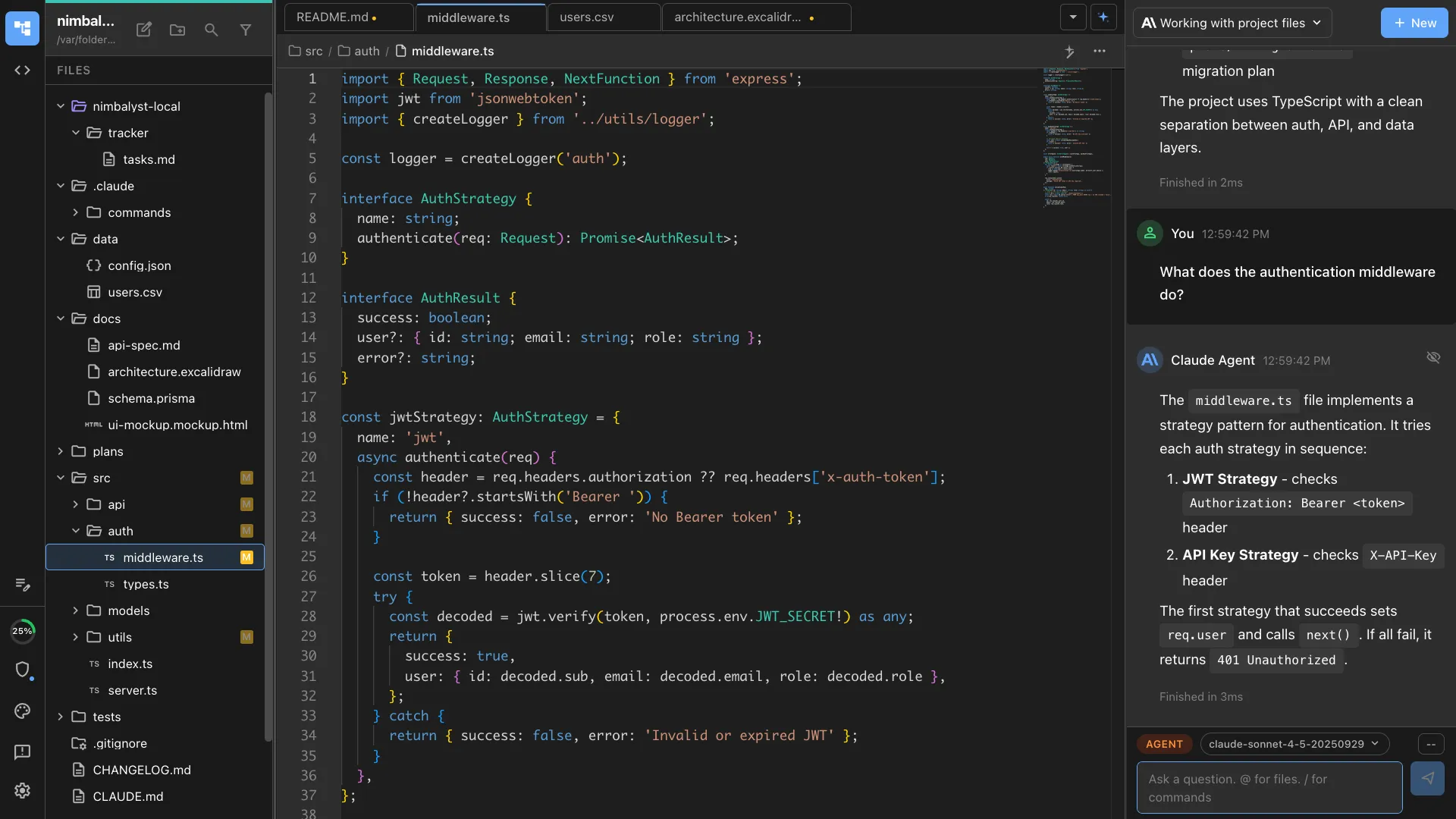
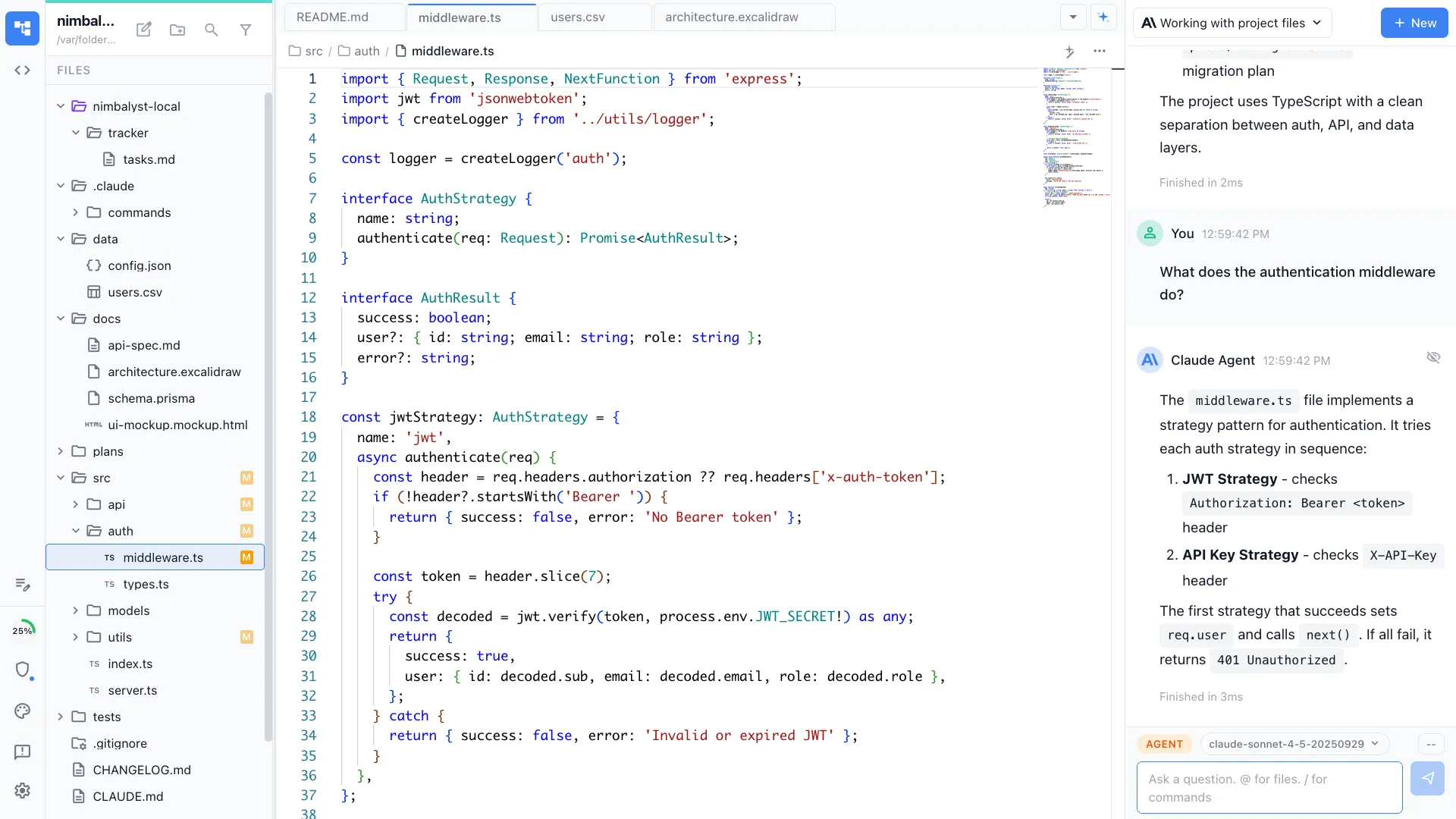
Nimbalyst is built around those constraints. Agents run locally under the researcher's own credentials, the repository stays on the machine and in your network, and every change an agent makes surfaces as an inline red and green diff you accept or reject file by file. The apps are open source, so your security team can read how they work rather than take a vendor's word for it.
Why Nimbalyst
Built for firms that cannot ship their code to a sandbox
Agents run on your machine, not a vendor's
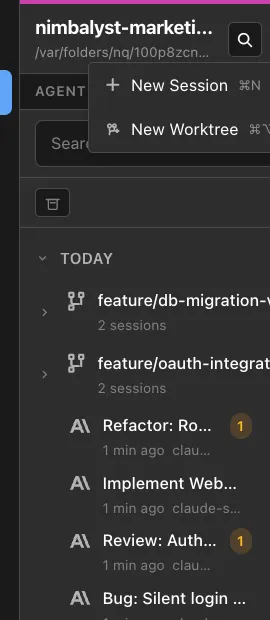
Claude Code and Codex launch locally against your own checkout, under your own subscription or API key. There is no metered cloud sandbox holding a copy of your repository, and no vendor environment your strategy code has to be uploaded into.
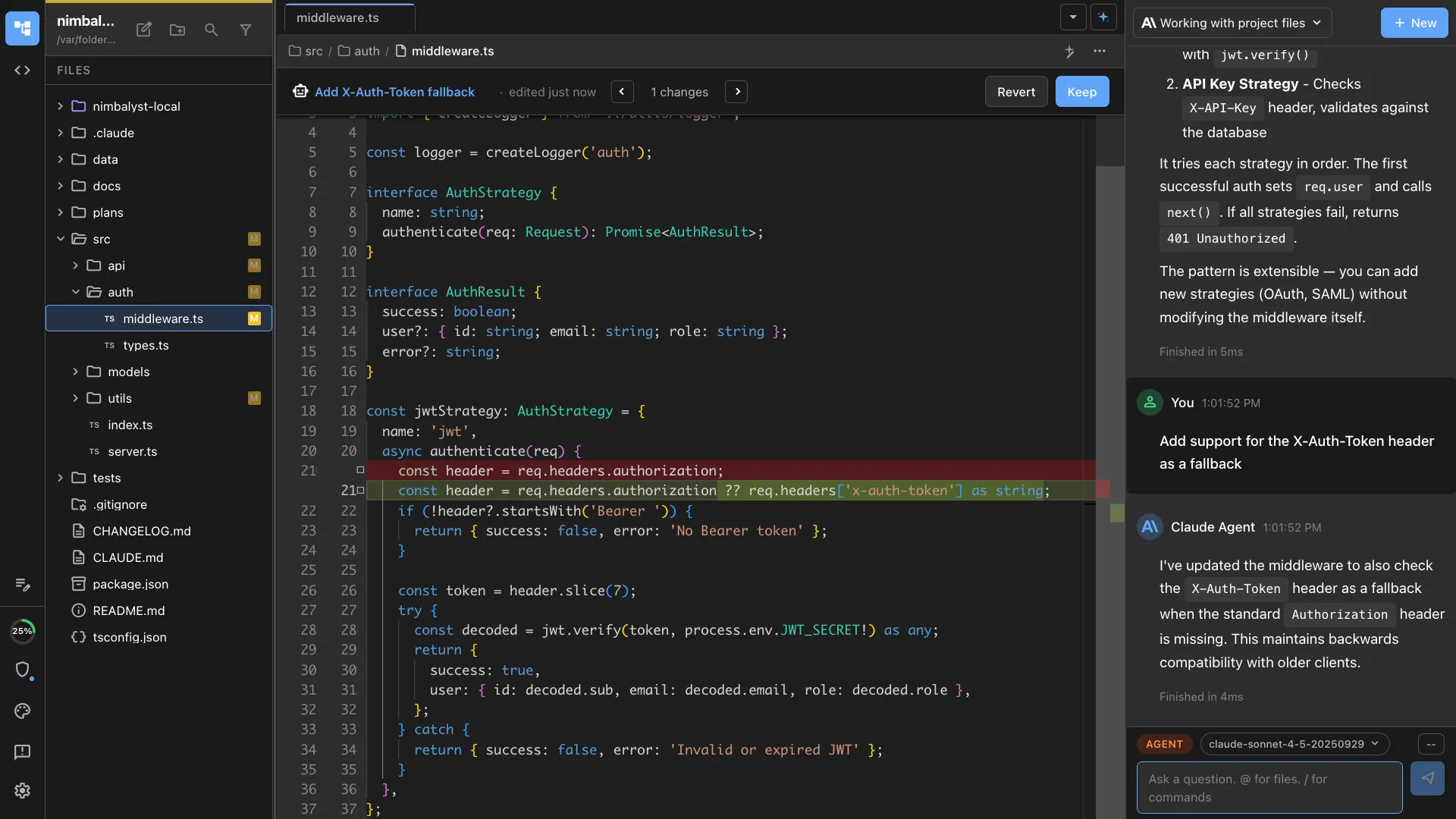
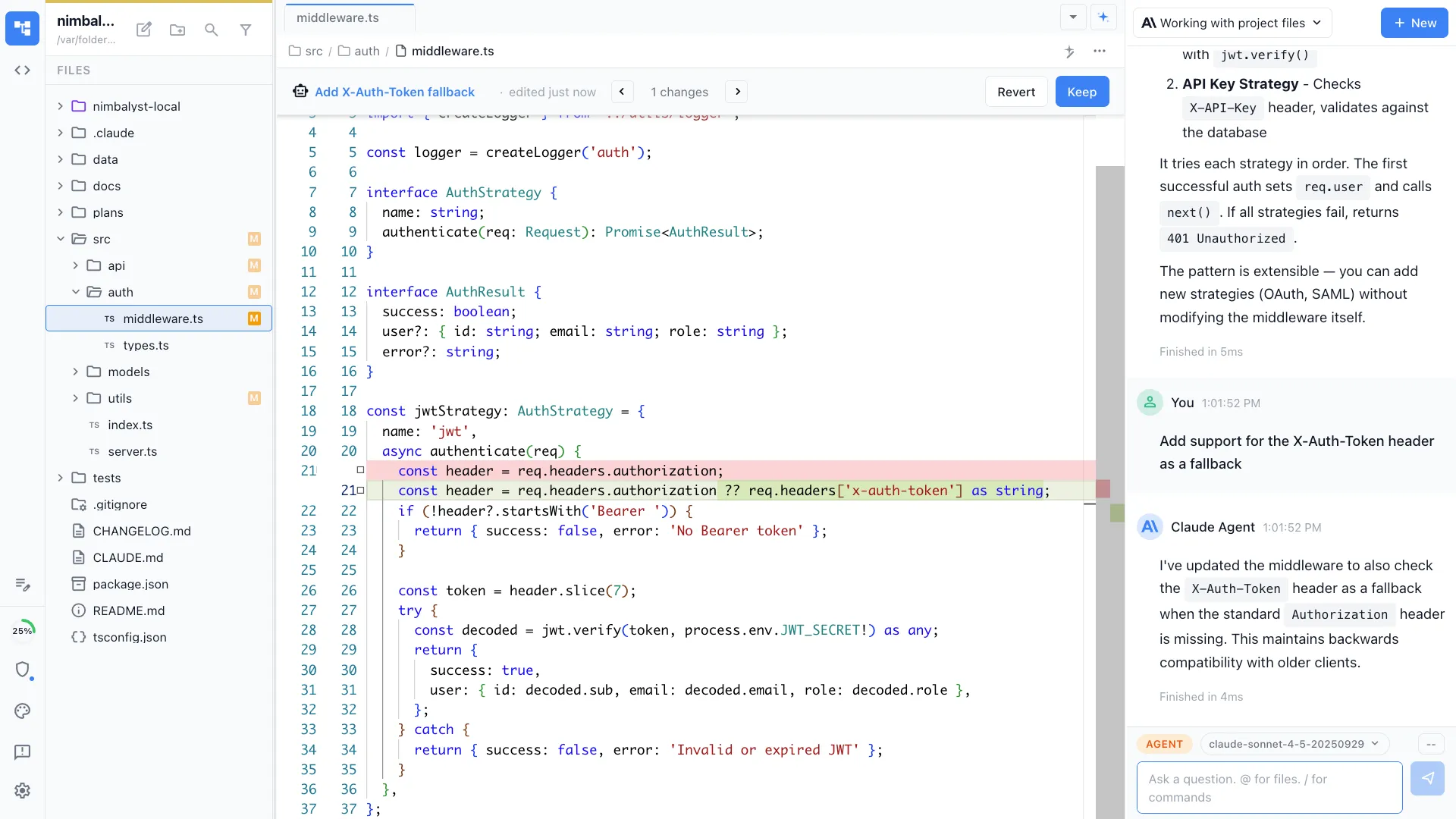
Every agent change reviewed before it lands
Inline red and green diffs, file by file, across code, research notes, configs, and data models. Accept, reject, or edit each change individually, so no agent output reaches your research codebase without a person approving it.
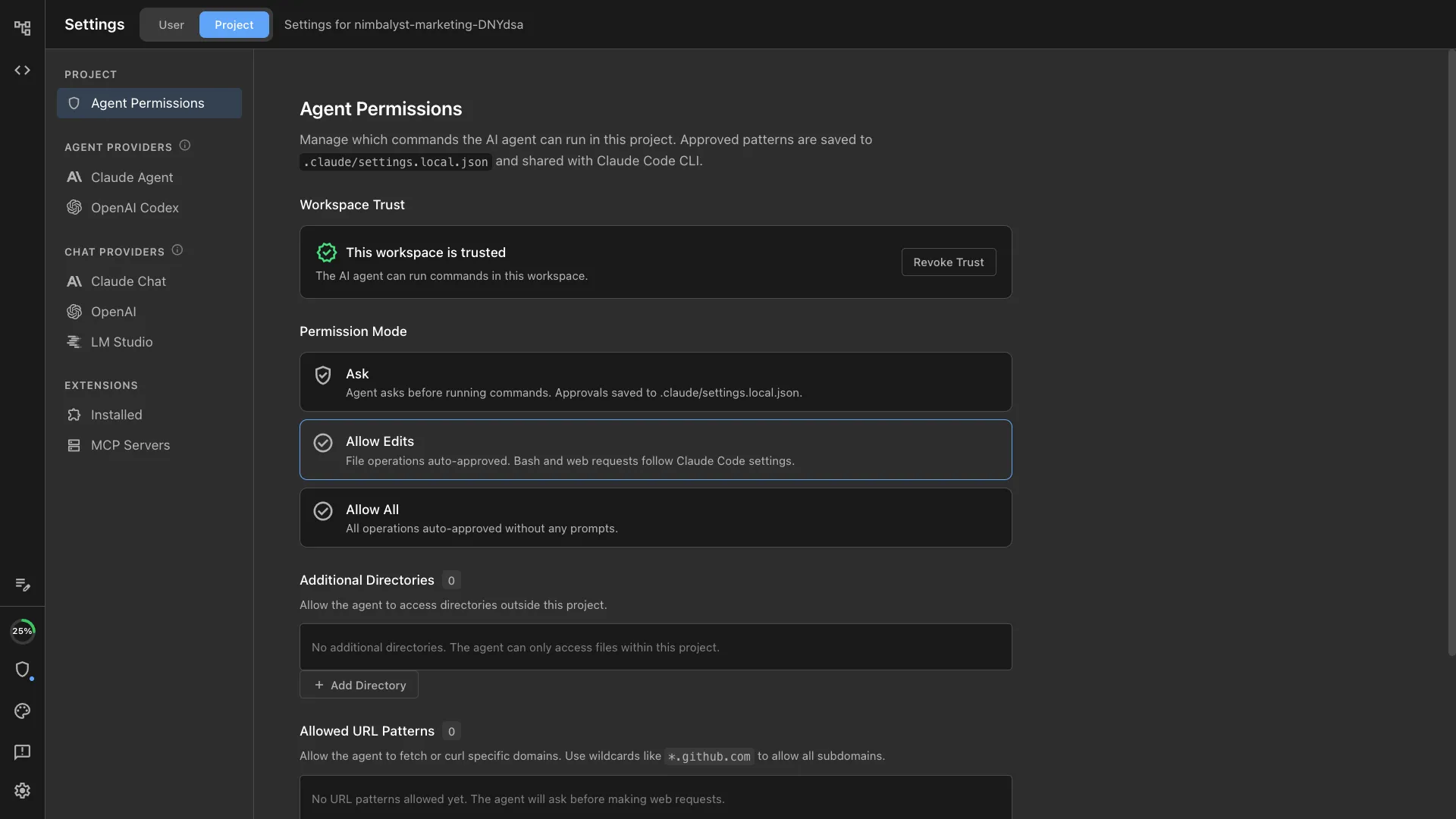
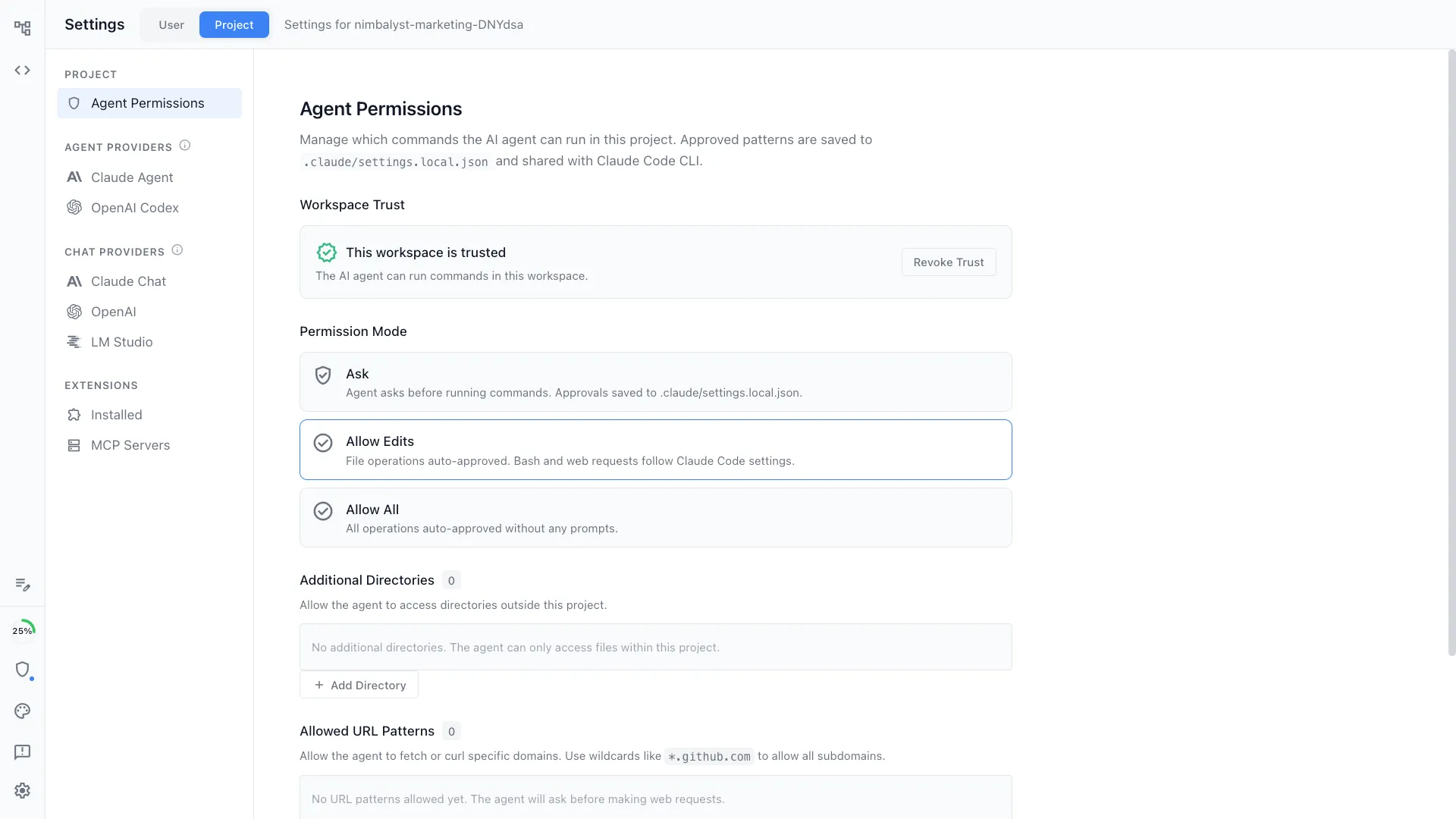
Permission controls per action
Decide what agents are allowed to do on their own and what requires an explicit approval prompt, from file writes to shell commands to external tools. Tighten it per project rather than trusting a single global setting.
A visual workspace for researchers who are not engineers
Quants and PMs work in editors instead of a terminal. Markdown research memos, spreadsheets, data models, Excalidraw diagrams, and code sit in one workspace the agent already has context on.
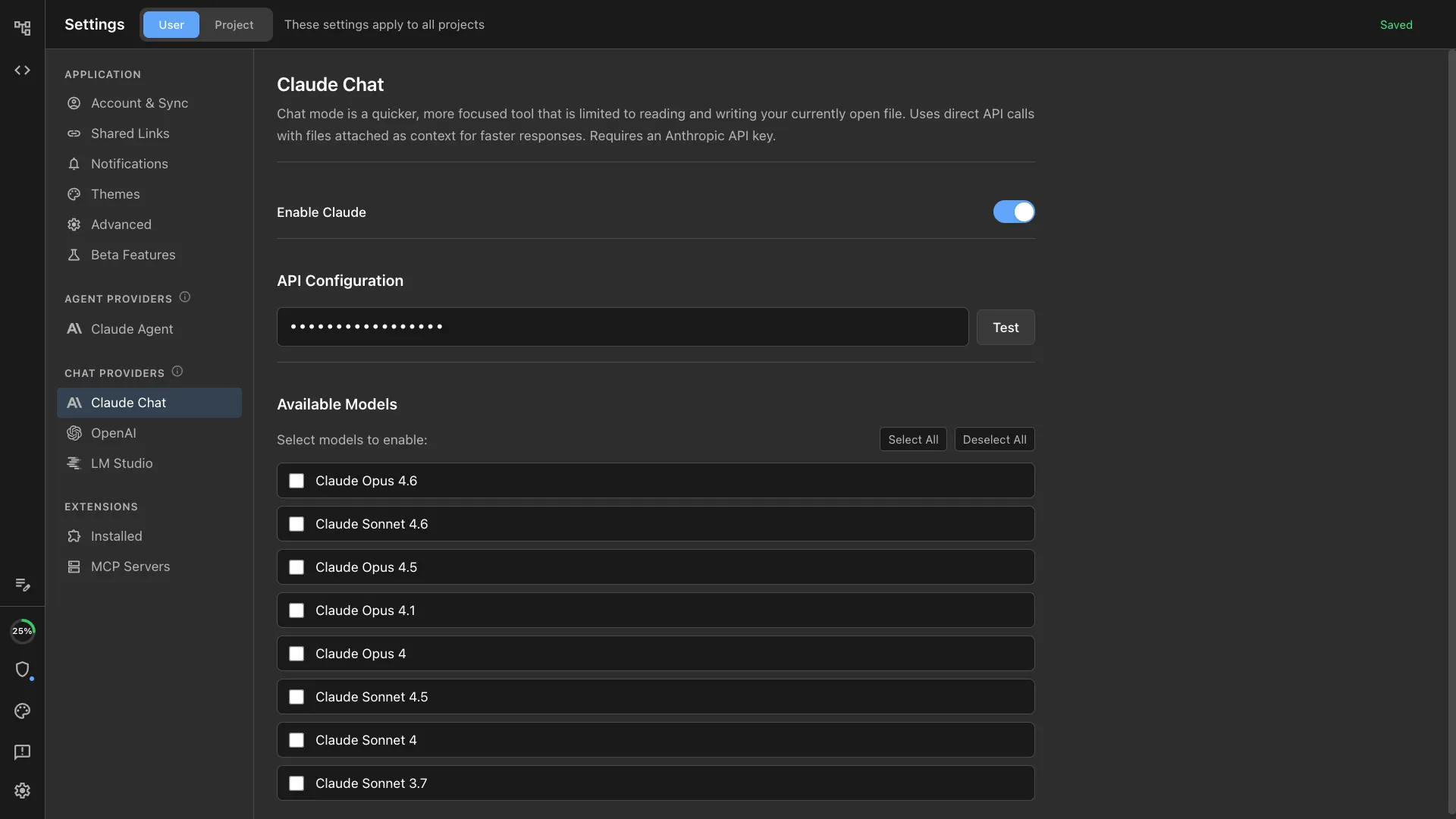
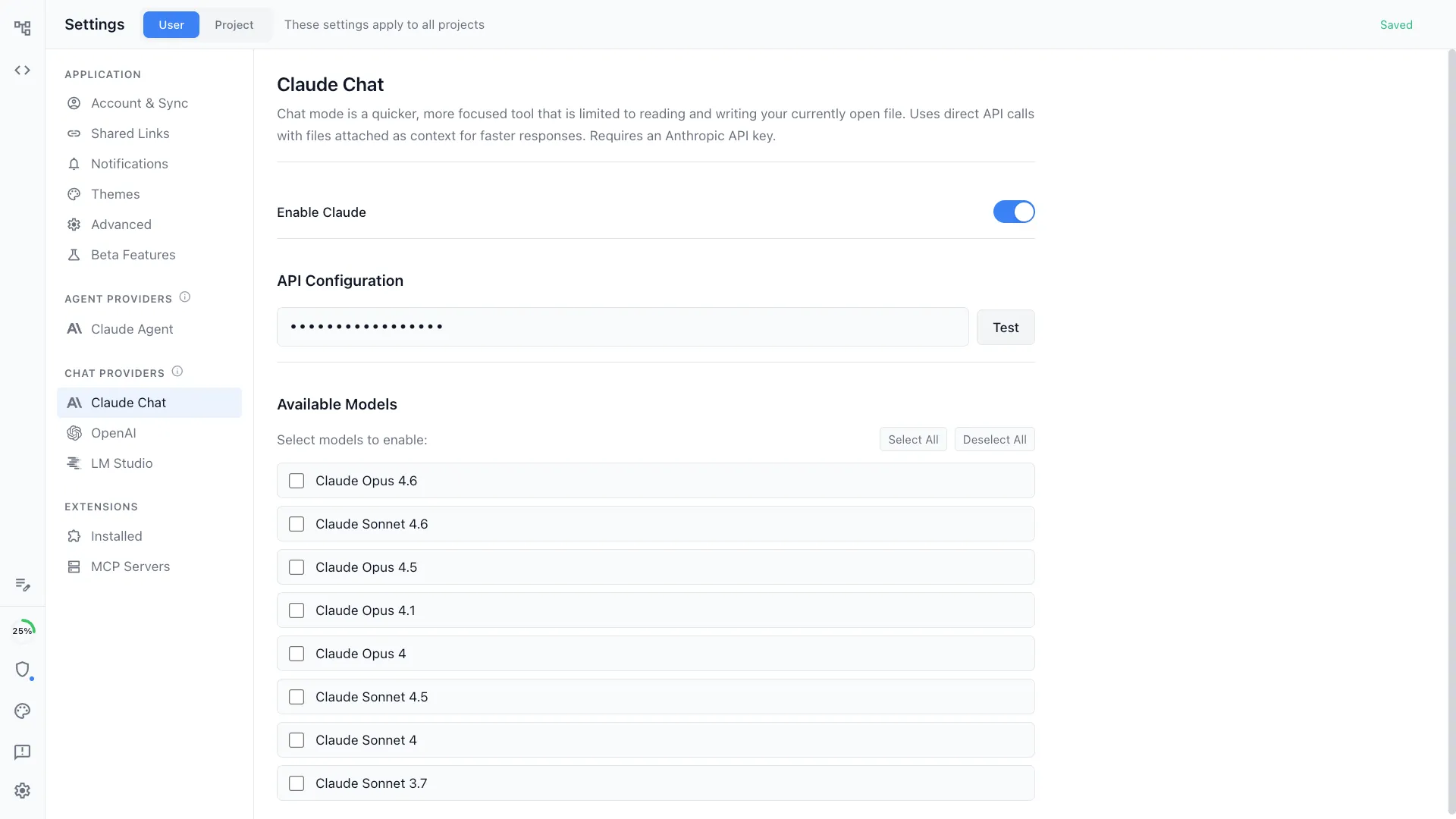
Choose the agent, bring your own key
Run Claude Code and OpenAI Codex side by side, with OpenCode and Copilot in alpha. Work through the provider your firm has already reviewed and contracted with rather than one a tool hardcoded for you.
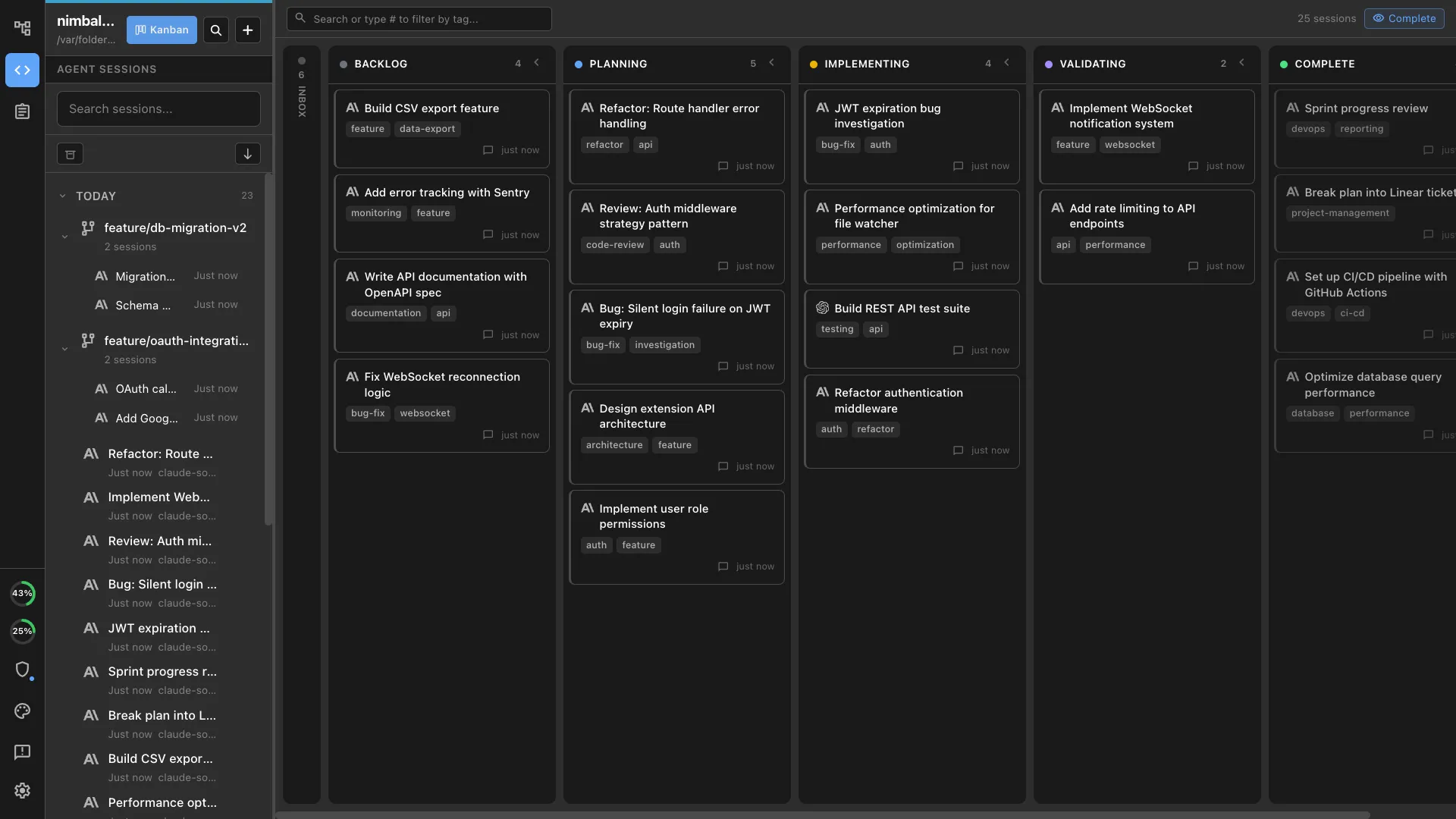
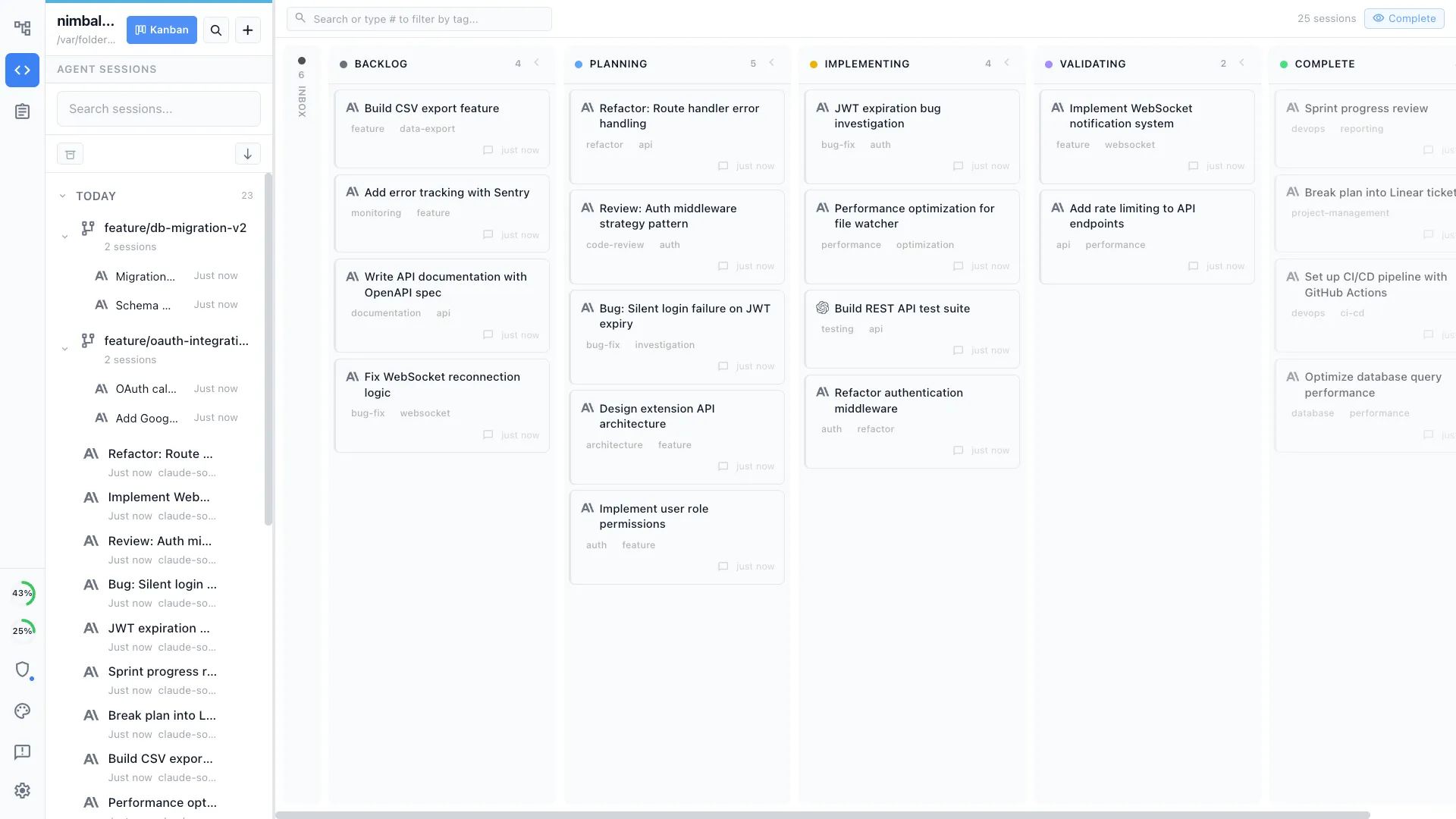
Parallel research streams on one board
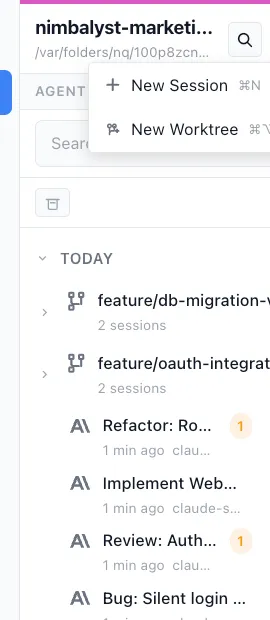
Run several agents at once, each on its own git worktree, so a signal rewrite, a backtest harness change, and a data pipeline fix proceed in the same repository without colliding.
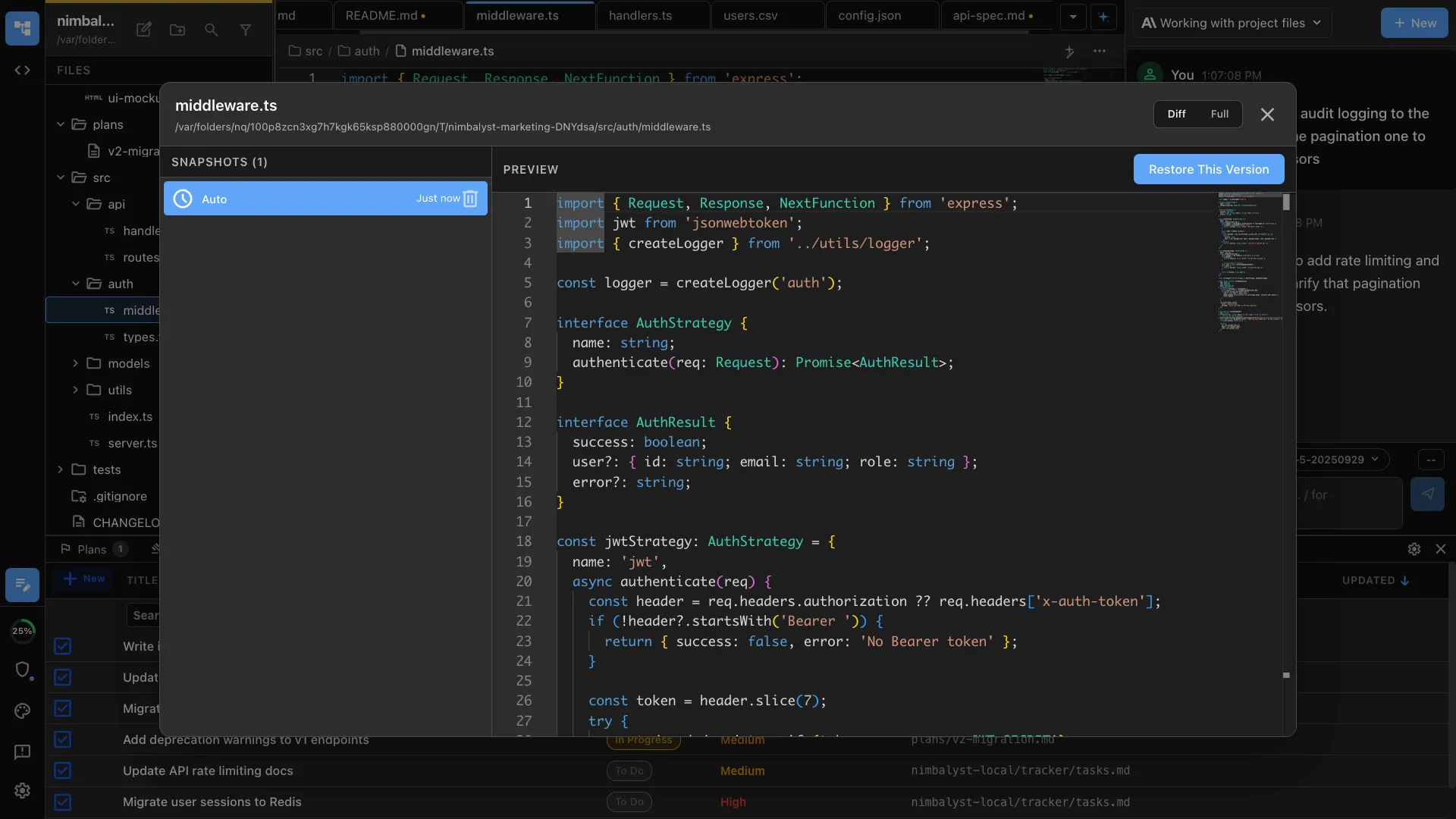
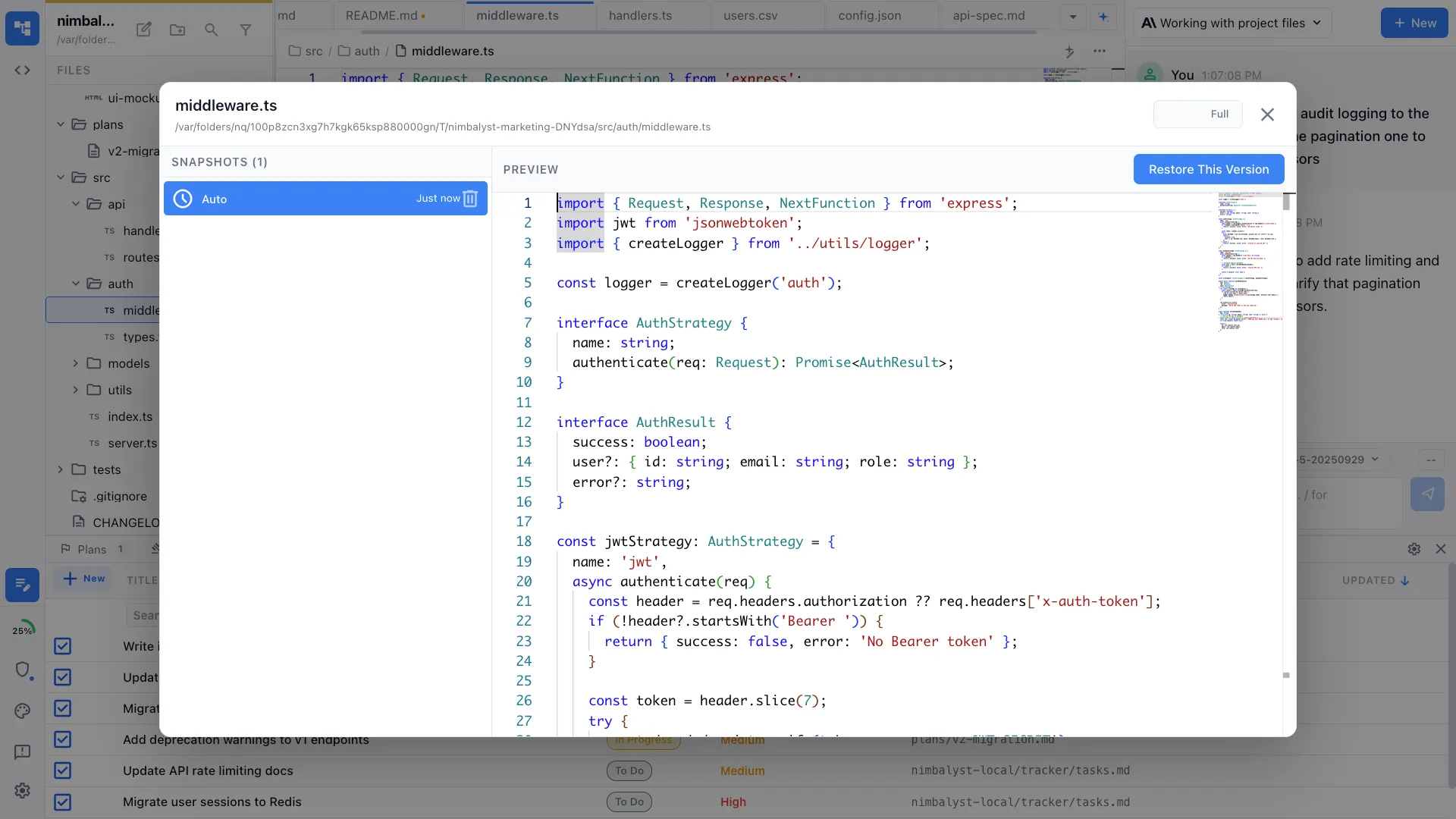
A record of what changed and who changed it
Full restorable history on documents, complete session transcripts for every agent run, and one-click restore to any earlier version. When someone asks what the model did in March, the transcript is there.
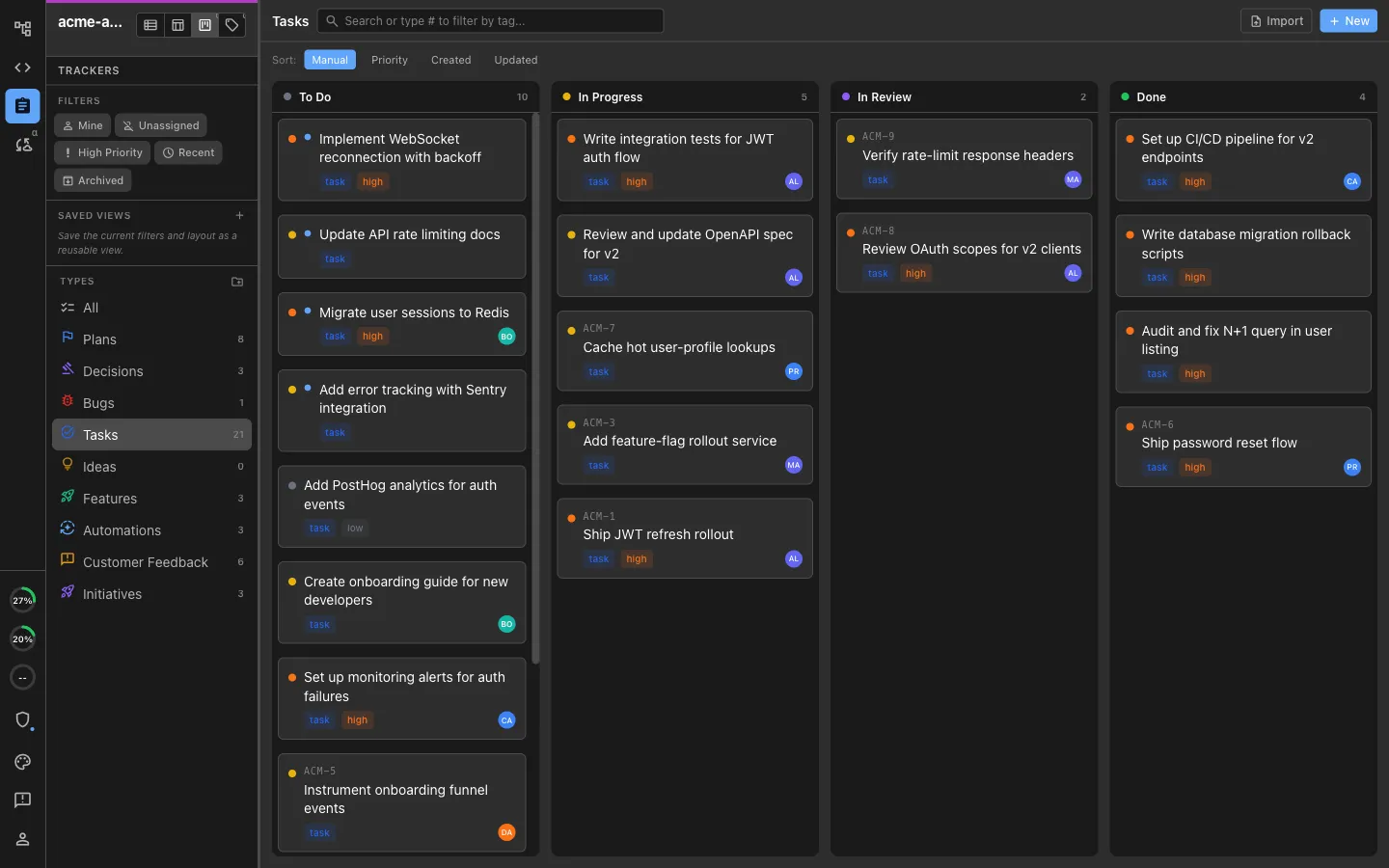
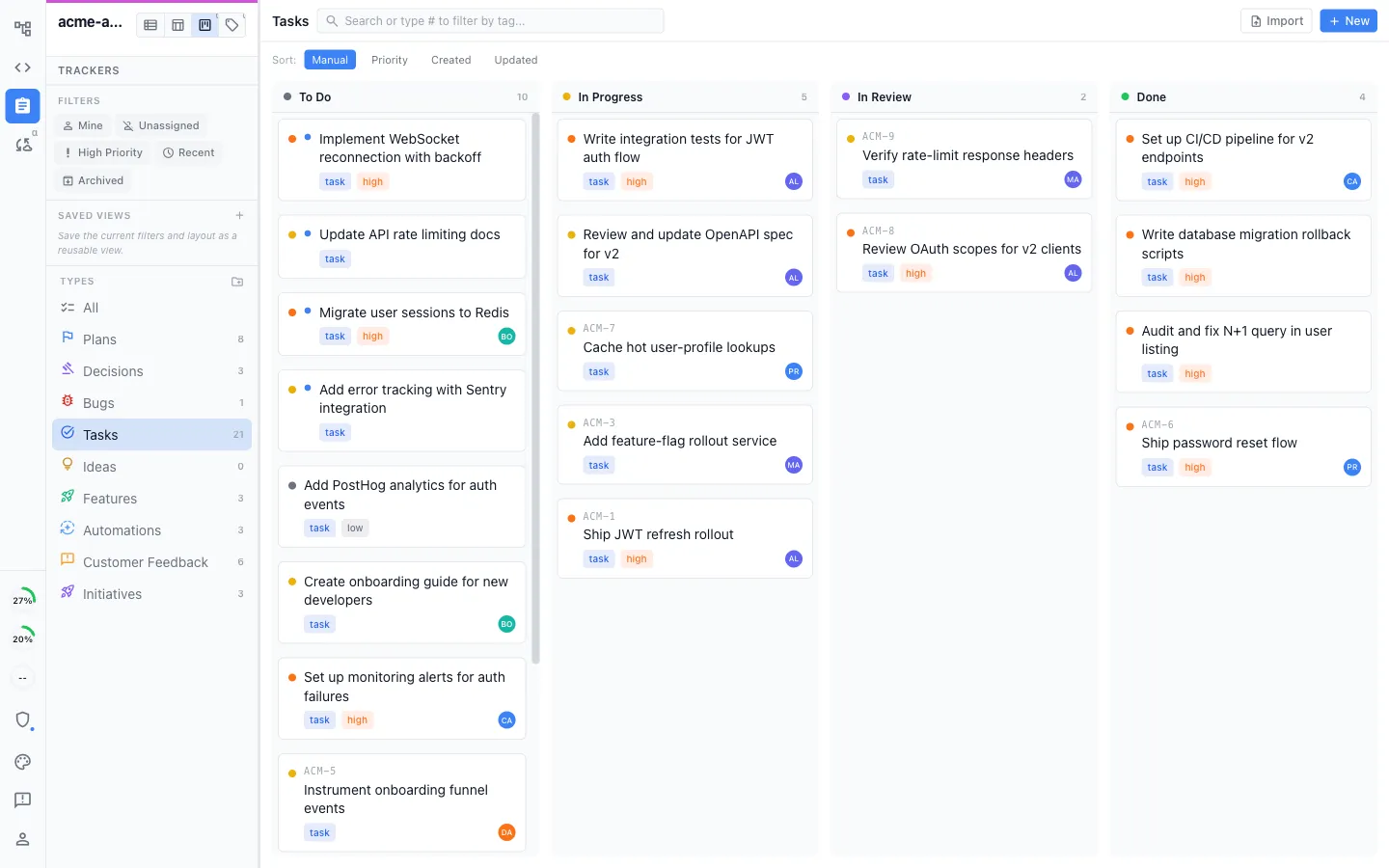
Shared trackers for the research pipeline
Hypotheses, bugs, tasks, and decisions on a shared board with your own stages. Teammates update it and so do their agents, so the board reflects the state of the research rather than last week's standup.
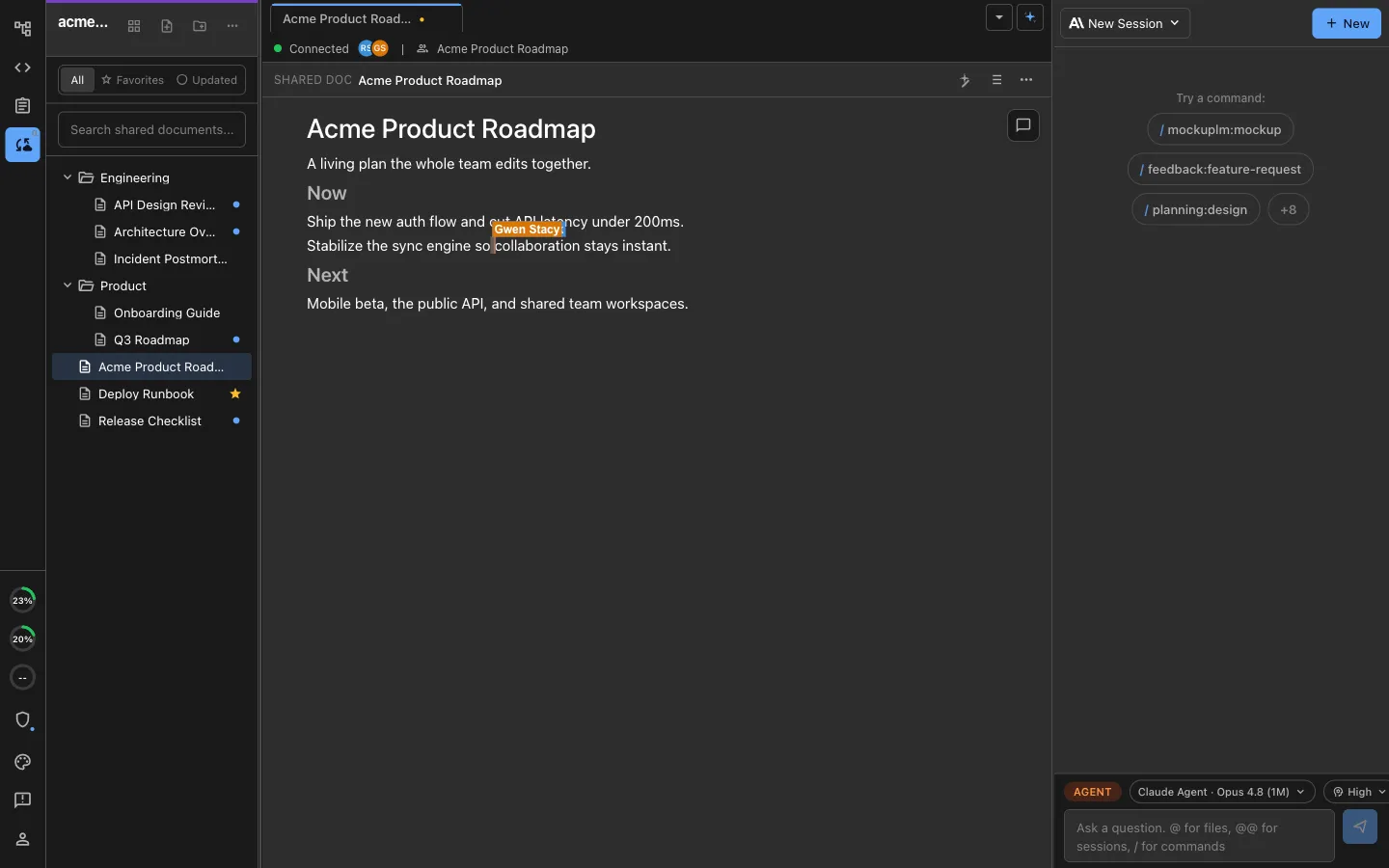
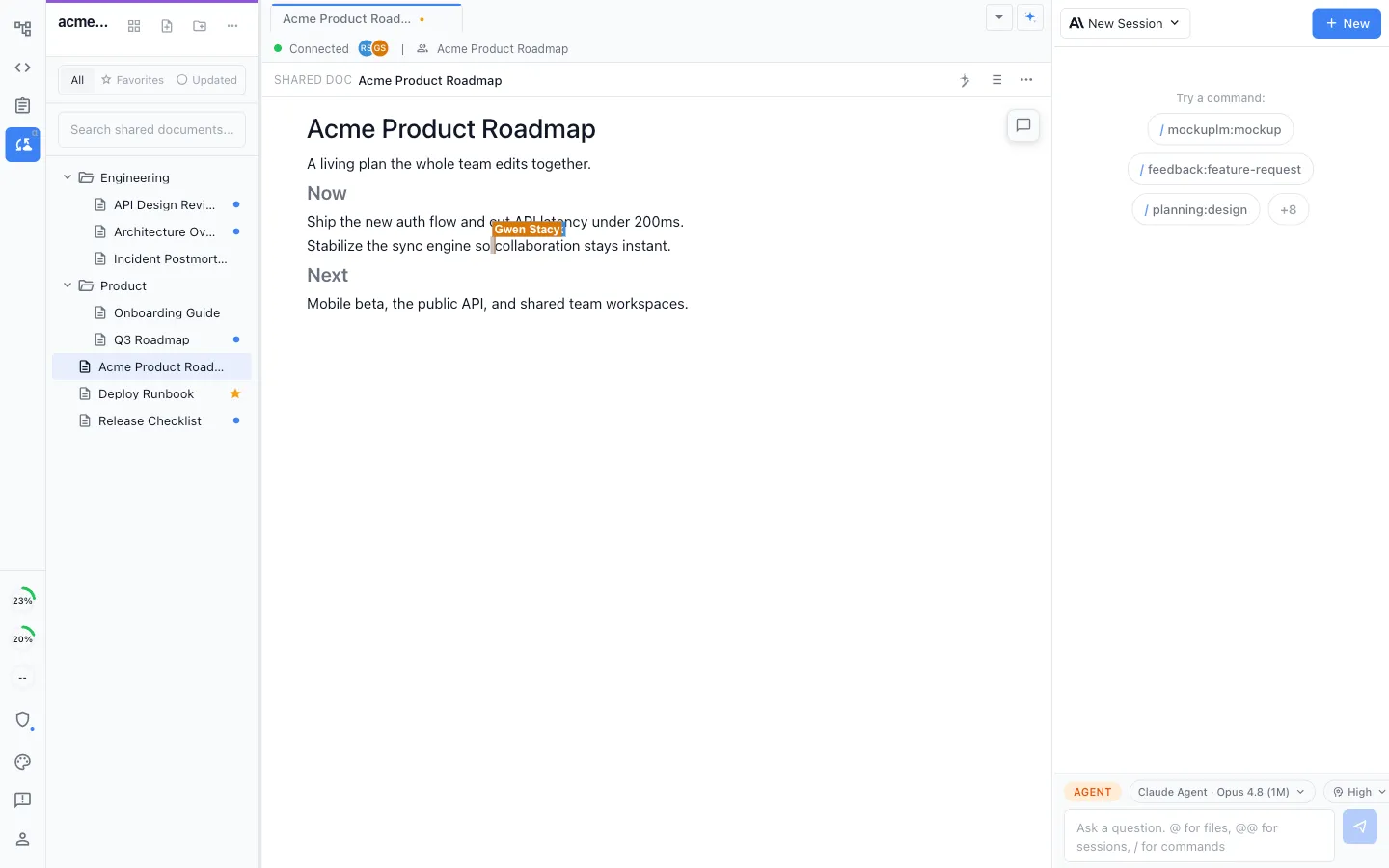
Shared specs your agents read and write
Real-time multiplayer markdown for strategy specs, model documentation, and decision records. Each researcher's local agent reads the same shared file, so context moves without anyone pasting it between terminals.
Comparison
Cloud agent platforms vs Nimbalyst
| Feature | Cloud agent platforms | Nimbalyst |
|---|---|---|
| Where your repository lives | Cloned into the vendor's sandbox | On the researcher's machine, in your network |
| Where the agent runs | Vendor-managed cloud compute, metered | Locally, under the researcher's own credentials |
| Model provider | Usually fixed by the platform | Claude Code, Codex, OpenCode, or Copilot, with your own key or subscription |
| Review of agent output | Pull request at the end of a run | Inline red and green diffs, accepted or rejected per file |
| Non-engineer usability | Terminal or developer-first UI | Visual editors for markdown, spreadsheets, diagrams, and data models |
| Research artifacts | Separate document and ticket systems | Specs, diagrams, and trackers in the same workspace the agent works in |
| Audit trail | Platform-side logs you do not control | Local session transcripts plus restorable document history |
| Security review | Vendor questionnaire | Desktop and iOS source on GitHub under MIT, readable line by line |
| Team sync | Vendor holds plaintext project data | End-to-end encrypted, and only what you promote to shared |
| Cost model | Per-seat plus metered sandbox compute | Free for individual use; you bring your existing model spend |
FAQ
Frequently asked questions
Does our code leave the building?
Can our security team review the software?
What is shared with the team, and what stays private?
How do we stop an agent from changing something it should not?
Will quant researchers who avoid the terminal actually use it?
Can we keep Jira, Confluence, or an internal wiki?
Which coding agents does it support?
What does it cost?
What platforms does it run on?
Learn More
Related guides and comparisons
Nimbalyst for teams
Shared docs, shared trackers, one connected workspace.
How collaboration works
What is shared, what stays local, and how it is secured.
Trust and compliance
SOC 2, encryption, subprocessors, and data handling.
Open source
The desktop and iOS apps are MIT licensed and on GitHub.
Coding agents for teams
The agent-neutral team workspace story.
vs Superconductor
Local agents and shared work vs metered cloud sandboxes.
Claude Code for product managers
The same no-terminal workspace, for non-engineers.
Parallel Claude Code sessions
Run several agents at once with a worktree each.
Visual editor for coding agents
Inline AI diffs across markdown, mockups, diagrams, and code.
Give your researchers coding agents that run locally and never land a change without review
Free for individuals. Agents run locally with your existing Claude Code or Codex subscription. Team collaboration is a paid plan.